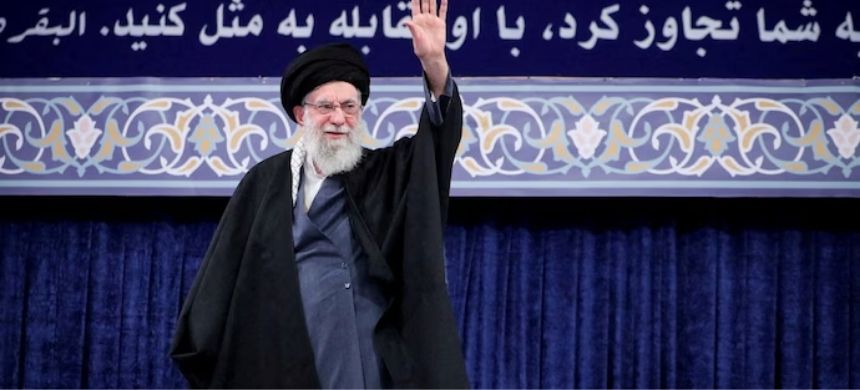
Iran has delayed the funeral of Supreme Leader Ayatollah Khamenei, who was martyred in strikes carried out by the United States and Israel, prompting questions from analysts and observers about the reasons behind the postponement.
According to experts, the delay is likely linked to several important factors, with security concerns being the most significant.
Reports suggest that Iran is still facing potential threats of further attacks, and officials fear that large public gatherings for the funeral of Ayatollah Khamenei could become possible targets for the United States or Israel. At the same time, concerns among the public have also increased, making the organization of a massive national event more complicated and risky.
Meanwhile, the country has entered the process of selecting a new Supreme Leader. Although Iran’s constitution outlines a formal method for the appointment, the selection is not expected to happen immediately.
The responsibility of choosing the next leader lies with the Assembly of Experts, whose members have stressed that detailed consultations are necessary to ensure that a capable and broadly acceptable candidate is chosen.
The role of Supreme Leader carries immense authority, including control over domestic and foreign policy as well as other key state matters.
Given the sensitivity of the situation, officials appear to be focusing on caution and careful decision-making instead of rushing the process, which has contributed to the postponement of Ayatollah Khamenei’s funeral.