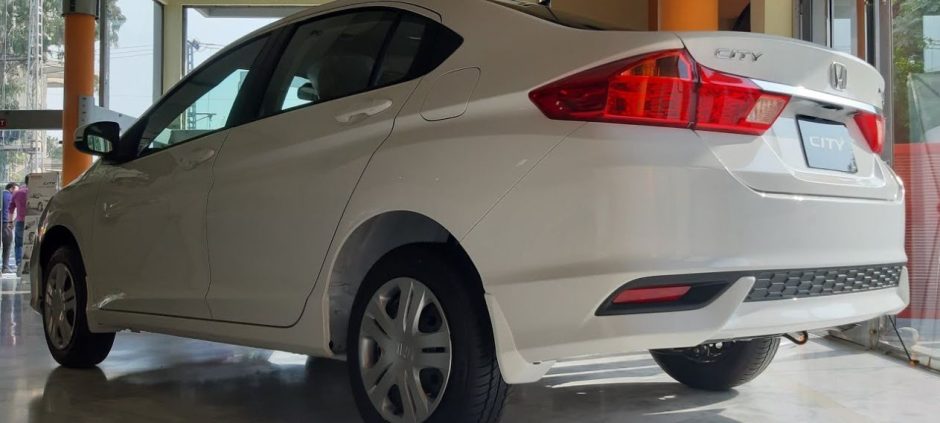
The Honda City is one of Pakistan’s most recognized and beloved sedans. For decades, it has been a top choice for families and individuals seeking a reliable, comfortable, and stylish car. The 1.5L variants, in particular, offer a great balance of power and efficiency. However, potential buyers often face a fluctuating and sometimes confusing price tag. The Honda City 1.5 Price in Pakistan is not a fixed number; it changes due to several powerful factors.
This article will explore the key elements that influence the price of the Honda City 1.5L models. We will go beyond the dealership’s final quote to understand the economics behind it. By understanding why the price changes, you can make a smarter purchase decision. We will look at the role of the US dollar, government taxes, production costs, and the overall economic situation in the country.
Deconstructing the Honda City 1.5 Price in Pakistan
When you buy a brand new Honda City, the price you pay is much more than the cost of the car itself. It is a sum of various components. Honda Atlas Cars Pakistan Limited (HACPL) assembles the City locally. This process is known as Completely Knocked Down (CKD) assembly. It means parts and components are imported and put together in Pakistan.
The final showroom price is a mix of the cost of these imported parts, local production costs, company profits, and a heavy layer of government taxes. Let’s break down these factors to see how each one contributes to the final price.
The Impact of Imported Parts (CKD Kits)
Although the Honda City is assembled in Pakistan, a large portion of its essential parts is imported. These include critical engine components, transmission parts, and advanced electronics. These collections of parts are called CKD kits.
Honda Atlas pays for these kits in US dollars. This creates a direct link between the car’s price and the dollar’s value. If the Pakistani Rupee weakens against the US dollar, HACPL has to spend more rupees to buy the same kits. For instance, if a kit costs $5,000 when the exchange rate is 270 PKR to 1 USD, the cost is 1,350,000 PKR. If the rupee falls and the rate becomes 285 PKR to 1 USD, that same kit now costs 1,425,000 PKR. This increase of 75,000 PKR is passed directly to the customer, leading to a higher Honda City 1.5 Price in Pakistan.
This reliance on imported parts makes the local car market very sensitive to currency fluctuations. Until Pakistan develops a stronger local auto parts manufacturing industry, this problem will persist. If you’re also considering financing options, don’t miss our detailed breakdown of the Honda City monthly installment plan starting from Rs. 70,000.
Government Taxes and Duties: A Major Price Component
The Government of Pakistan imposes several taxes on cars, which form a significant part of the final price. These taxes are a major source of revenue for the government. They are also used as a tool to control the auto market and manage the country’s import bill.
Here are the primary taxes that inflate the Honda City 1.5 Price in Pakistan:
- Customs Duty: This is a tax charged on the imported CKD kits. The government can raise or lower this duty, directly affecting the cost for Honda Atlas.
- Sales Tax: This is a standard tax applied to almost all goods sold in the country. A higher sales tax rate immediately increases the car’s price.
- Federal Excise Duty (FED): This is an additional tax often levied on cars based on their engine size. The government frequently adjusts FED rates, causing sudden price shifts.
- Withholding Tax: This is an advance income tax that buyers must pay. Tax filers can later adjust this amount in their annual tax returns.
When the government faces a budget deficit or wants to discourage imports, it often increases these taxes. This is one of the fastest ways car prices go up, completely independent of the manufacturer’s own costs.
Production and Operational Costs
Beyond imported parts, Honda Atlas has many local costs to cover. These include the expenses for running their assembly plant in Lahore, paying salaries to thousands of employees, and managing their nationwide dealership network.
Inflation in Pakistan affects these costs directly. Rising electricity tariffs, higher labor wages, and increased transportation expenses all add to the cost of producing each car. When these operational costs go up, the company must adjust its pricing to maintain its profit margins.
Furthermore, factors like supply chain disruptions can also play a role. If there are delays in receiving parts from abroad, it can halt production. This creates a shortage of new cars in the market. According to the principle of supply and demand, when supply is low and demand is high, prices tend to rise.
Economic Health and Its Influence
The overall economic condition of Pakistan has a profound effect on car prices. A stable economy with low inflation and a strong rupee creates a healthy environment for the auto industry. In such times, car prices are more likely to remain stable, and people feel more confident making large purchases.
Conversely, during periods of economic instability, the situation reverses. High inflation erodes people’s purchasing power, making it harder to afford a new car. A weakening rupee, as we discussed, drives up the cost of imported parts. This economic uncertainty makes it difficult for both companies and consumers to plan for the future.
The Honda City 1.5 Price in Pakistan often acts as a barometer for the country’s economic health. Price hikes are a clear signal of underlying economic challenges. This also affects consumer behavior. Many potential buyers may delay their purchase, hoping for better times. Others might turn to the used car market, increasing demand for second-hand vehicles.
Choosing Your Honda City 1.5 Variant
The Honda City 1.5L is available in a few different versions, each with its own price point. The main variants are the 1.5L CVT and the 1.5L Aspire CVT.
- Honda City 1.5L CVT: This is the standard 1.5L variant. It offers the powerful and efficient 1.5-liter engine paired with a smooth, continuously variable transmission (CVT). It is well-equipped with essential features for a comfortable ride.
- Honda City 1.5L Aspire CVT: The Aspire is the top-of-the-line variant. It includes all the features of the standard CVT model plus several upgrades. These typically include premium additions like leather seats, a sunroof, alloy wheels, and an advanced infotainment system.
The price difference between these variants is due to the extra features and luxury appointments in the Aspire model. Your choice depends on your budget and how much you value these premium features. However, the external factors discussed above affect the price of all variants equally. An increase in taxes or a fall in the rupee will raise the price of both the standard and the Aspire models.