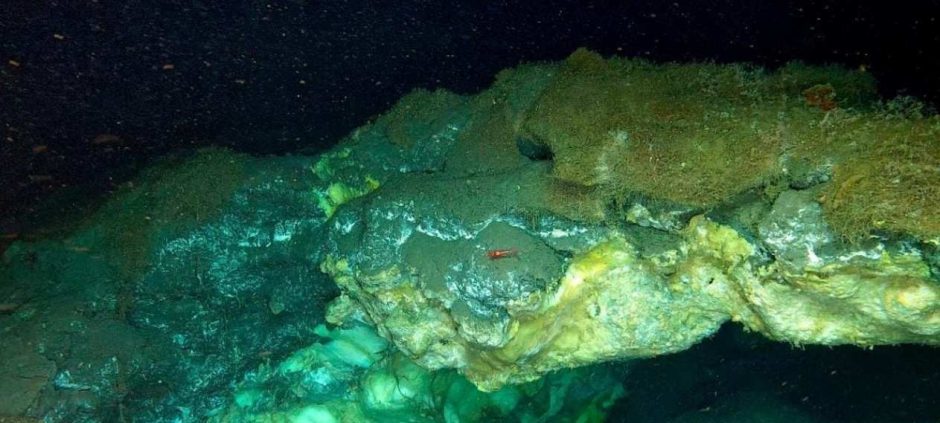
Scientists have discovered unusual and previously unknown marine life thriving nearly two miles beneath the Arctic ice, highlighting the resilience of deep-sea ecosystems in extreme environments. The discovery was made during a research expedition using remotely operated vehicles (ROVs) to explore the largely uncharted ocean floor under the Arctic region.
Researchers reported encountering a variety of strange and unique organisms, including species of worm-like creatures, jellyfish, and filter-feeding animals that appear specially adapted to the dark, cold, and high-pressure conditions of the deep Arctic ocean. Some of these species display peculiar physical features, such as translucent bodies, elongated appendages, and bioluminescent organs.
The study suggests that life in these extreme conditions is more diverse and complex than previously thought. Scientists noted that these organisms survive in near-freezing temperatures and complete darkness, relying on chemosynthesis and detritus from the upper ocean layers rather than sunlight-driven photosynthesis. This adaptation underscores the remarkable ability of marine life to thrive in harsh, isolated environments.
Exploration of the deep Arctic ocean is challenging due to thick ice cover, extreme weather, and crushing pressures, which is why much of it remains a mystery. The latest findings were made possible by advanced underwater drones capable of withstanding severe conditions while transmitting high-resolution video and environmental data to researchers above the ice.
Experts say that understanding these ecosystems is crucial, not only for expanding knowledge of life on Earth but also for assessing the impacts of climate change on Arctic marine environments. Warming waters and melting ice could disrupt the fragile balance of these deep-sea communities, affecting global oceanic food chains and biodiversity.
The discovery also has implications for astrobiology, as life thriving in extreme conditions on Earth could offer insights into potential life on icy moons and planets, such as Europa and Enceladus, where similar high-pressure, low-temperature environments exist.
Also read: US Strikes Islamic State Militants in Northwest Nigeria