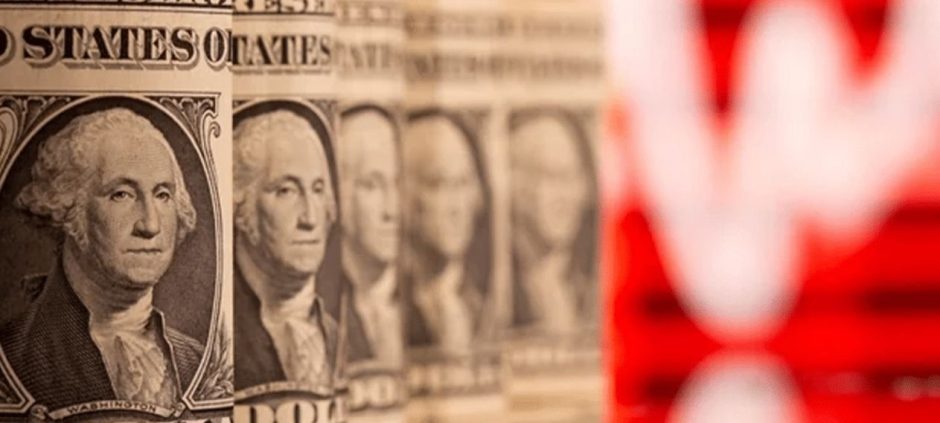
The US Dollar is gradually losing ground in global financial reserves as central banks continue shifting toward diversification. Recent international data shows a rising preference for gold and alternative currencies.
At present, the US Dollar accounts for around 46 percent of global foreign exchange and gold reserves. This is its lowest level in at least 26 years. The decline reflects a long-term change in global reserve management strategies.
Since Donald Trump took office as US President, the US Dollar has shown weaker performance in maintaining its dominance in central bank reserves. Many central banks are now reducing reliance on a single currency and increasing diversification.
Previously, the US Dollar held about 57 percent of total global reserves. Recent estimates show a sharp fall of more than 1,100 basis points in a short period. This rapid change highlights shifting global financial trends.
Over a longer timeline, the decline is even more significant. Since 2017, the US Dollar has lost a large share of its global reserve dominance. The trend indicates a steady move toward a more multipolar currency system.
When gold is excluded from calculations, the US Dollar still holds around 57 percent of global reserve currencies. This data is based on recent International Monetary Fund (IMF) figures. It shows that the dollar remains strong in currency-only reserves.
However, central banks are steadily increasing gold purchases. Many countries are also expanding holdings in other international currencies. This reflects a growing focus on risk reduction and portfolio balance.
The shift suggests that trust in the US Dollar as the sole dominant reserve asset is gradually changing. Gold is being seen as a safer store of value during global uncertainty.
Historically, the last time the US Dollar fell below the 50 percent mark was during 1990–1991. That period was marked by economic slowdown, inflation pressures, and global uncertainty.
Experts believe the current trend is structural rather than temporary. The rising role of gold and alternative currencies suggests a slow transformation in global reserve systems.
In other related news also read Pakistani Rupee Weakens Against The US Dollar
Overall, the data shows that the US Dollar remains the world’s leading currency. However, its dominance is gradually narrowing as central banks diversify their reserves more aggressively.