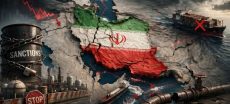
Amid disruptions in the Strait of Hormuz, several Asian nations, including Sri Lanka, have introduced measures to conserve fuel and manage energy shortages. The disruptions were triggered by attacks on Iran by the United States and Israel, affecting global oil supplies.
In Sri Lanka, the government has declared every Wednesday a public holiday to reduce fuel consumption. In addition, motorists are now required to register for a national fuel pass, which limits the quantity of fuel that can be purchased per person. These steps aim to curb excessive fuel use and stabilize domestic energy supplies.
Myanmar has implemented alternate-day travel rules for private vehicles. Cars are allowed on the road based on whether their license plate numbers are odd or even. This measure reduces traffic and fuel demand.
Bangladesh has announced early Eid holidays for universities and introduced planned nationwide power outages to conserve energy. Officials said the outages are necessary to ensure fuel availability for essential services.
In the Philippines, certain government offices now require staff to work from home at least one day per week. The policy is designed to reduce commuting and lower fuel consumption.
Nearly 90 percent of the oil and gas that passed through the Strait of Hormuz last year was destined for Asia. Governments in the region are acting quickly to implement conservation measures to prevent severe shortages.
Officials in Sri Lanka and other Asian countries have urged citizens to comply with fuel-saving measures. These include travel restrictions, fuel rationing, and remote work arrangements.
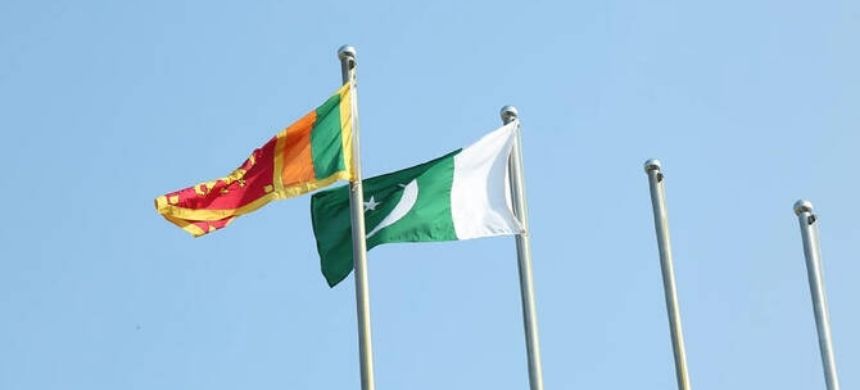
In other related news also read Sri Lanka Announces Good News for Pakistani Travelers
Analysts warn that if disruptions continue at Hormuz, more countries may adopt strict energy-saving policies. The current measures highlight the growing impact of geopolitical tensions on Asia’s energy security.