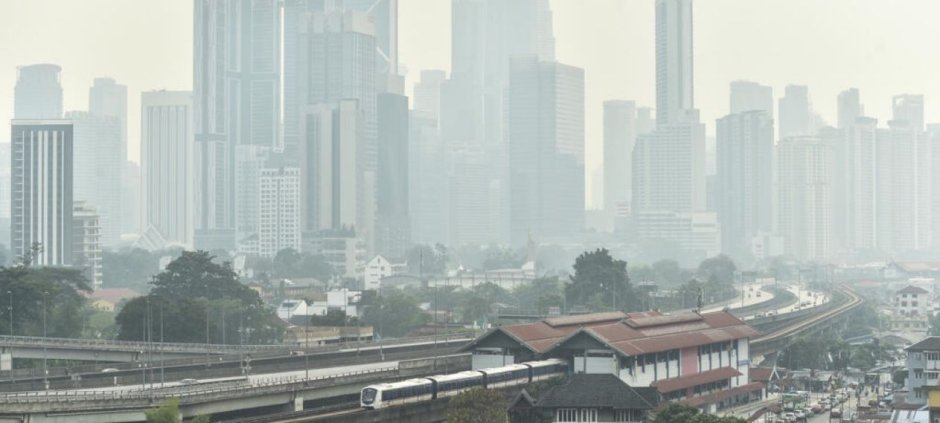
The southern ASEAN region has been placed under the highest haze alert after worsening smoke pollution affected air quality, disrupted education and increased respiratory health concerns across parts of Southeast Asia.
The ASEAN Specialised Meteorological Centre (ASMC) raised its haze alert to Level 3, the highest level in its four-tier system, warning of a high risk of severe transboundary haze.
The alert comes as moderate to dense smoke haze has persisted across the region for at least two consecutive days, raising concerns about the impact on public health and daily life.
Indonesia, Malaysia, Singapore and East Timor have been affected by the pollution, with schools closing in some areas and outdoor activities being restricted.
What Triggered the Highest Haze Alert?
According to the ASMC, Level 3 is issued when there is a high risk of severe haze spreading across national borders.
The latest alert reflects the persistence and intensity of smoke pollution affecting the southern ASEAN region.
Transboundary haze occurs when smoke from fires travels across borders, affecting air quality in neighbouring countries. Seasonal dry conditions and fires can contribute to the spread of smoke over large distances.
The latest episode has highlighted the challenges faced by Southeast Asian countries in controlling fires and managing the regional consequences of air pollution.
Singapore and Kuala Lumpur Rank Among Most Polluted Cities
The haze has significantly affected air quality in major Southeast Asian cities.
According to IQAir’s live ranking on Saturday, Singapore was the world’s second most polluted major city, behind Baghdad, while Kuala Lumpur ranked third.
Live pollution rankings can change throughout the day as air quality conditions and monitoring data fluctuate. However, the reported positions highlighted the severity of the pollution affecting parts of the region at the time.
Poor air quality can be particularly concerning for children, older people and individuals with asthma or other respiratory conditions.
Schools Close as Health Concerns Grow
The smoke pollution has disrupted normal activities in affected areas, forcing schools to close and prompting restrictions on outdoor activities.
Health concerns have also increased as exposure to smoke and fine particles can worsen respiratory symptoms and aggravate existing lung and heart conditions.
People exposed to heavy haze may experience coughing, throat irritation, breathing difficulties and eye irritation. Those with existing respiratory illnesses may face a greater risk of complications.
Authorities and health professionals generally advise people to limit strenuous outdoor activity during periods of poor air quality and follow local public health guidance.
Indonesia Uses Dry Ice in Haze-Control Effort
Indonesia said on Saturday that it had been using dry ice at one of the main airports in South Sumatra province in an attempt to disperse the haze.
The measure comes as authorities face pressure to address worsening pollution and the fires contributing to smoke in the region.
However, the report did not establish whether the dry-ice operation had produced a measurable improvement in air quality.
Efforts to manage haze often require a combination of fire prevention, firefighting, monitoring and coordination between affected countries.
Singapore Plans Warnings for Indonesian Companies
Singapore announced on Friday that it would issue warnings to seven Indonesian companies it had identified as responsible for fires linked to the haze.
The move signals continued efforts to hold companies accountable for activities that contribute to cross-border smoke pollution.
Transboundary haze has been a recurring regional concern, with its effects extending beyond the areas where fires originate.
Addressing the problem can require cooperation between governments, enforcement agencies and businesses to prevent fires and reduce pollution.
A Regional Challenge With Serious Consequences
The latest Level 3 alert underscores the wider consequences of persistent smoke pollution across Southeast Asia.
Beyond reduced visibility and school closures, prolonged haze can affect public health, transport, tourism and economic activity.
The situation also highlights the importance of early warnings and coordinated regional action when smoke begins spreading across borders.
As air quality conditions remain a concern, residents in affected areas are advised to monitor official updates, reduce exposure to heavy smoke and follow instructions issued by local authorities.
The duration of the current haze episode will depend on changing weather conditions, the spread of smoke and efforts to control the fires contributing to the pollution.
Also read: Crackdown Launched Against Smoke-Emitting Vehicles