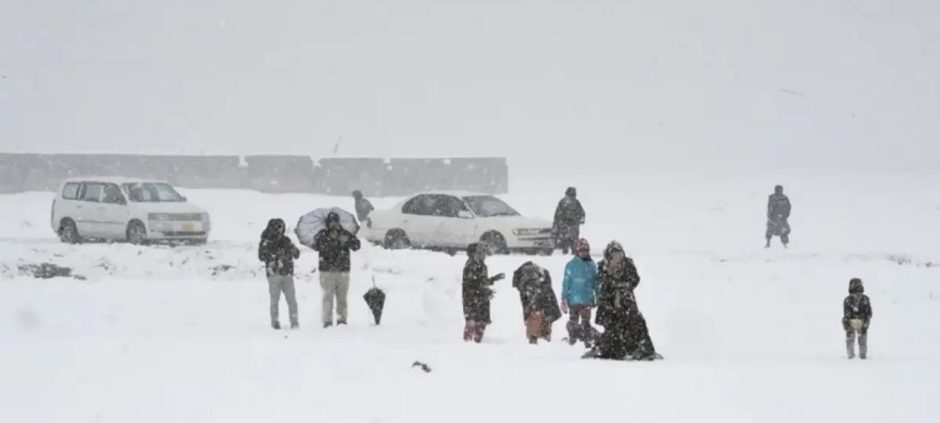
The National Disaster Management Authority (NDMA) has issued a severe cold wave alert for northern Pakistan and northern Balochistan. The warning highlights a prolonged spell of extremely low temperatures and associated risks to health, agriculture, and travel.
According to the NDMA spokesperson, the alert was released by the National Emergency Operation Center. Authorities have warned that severe cold conditions will continue in Gilgit-Baltistan, Azad Kashmir, upper Khyber Pakhtunkhwa, and the Pothohar region. Northern districts of Balochistan, including Quetta, Ziarat, and Kalat, are also expected to face significantly low temperatures.
The NDMA cautioned that the intense cold may increase the risk of respiratory illnesses, especially among children, the elderly, and people with existing health problems. Officials also highlighted the potential impact on standing crops, warning that agricultural output could be affected if the cold persists.
In addition to freezing temperatures, the NDMA has issued a dense fog warning for plain areas, particularly during early morning hours. Drivers have been advised to exercise caution, as reduced visibility may pose serious road safety hazards.
The spokesperson urged citizens to stay updated through official weather alerts and take preventive measures to protect their health. Citizens are advised to wear warm clothing, limit outdoor exposure, and ensure adequate heating arrangements at homes.
Authorities have been instructed to remain alert and prepared to respond to emergencies caused by the cold wave. The NDMA emphasized the need for coordinated efforts at both local and provincial levels to manage potential health, agricultural, and transport-related challenges.
By issuing the alert in advance, the NDMA aims to help communities prepare for the harsh weather. Officials also called on media outlets to share accurate updates with the public to reduce risks.
In other related news also read NDMA Airlifts Gilgit Tourists Amid Monsoon Disruption
Residents of the affected regions are encouraged to monitor NDMA advisories closely, follow safety guidelines, and report any emergencies promptly to the authorities.