The Saddar fire station, Karachi’s second-oldest fire brigade, faces severe neglect despite its critical location in the Red Zone.
Established in 1937, the station was originally built to house two fire vehicles. Today, its infrastructure is dilapidated, raising concerns about the city’s emergency preparedness.
Recent tragedies, including the Gul Plaza fire that claimed over 80 lives, have highlighted Karachi’s rescue shortcomings. Delayed responses exposed weaknesses in emergency services.
The Saddar fire station serves some of the city’s most densely populated and commercially vital areas. Its deteriorating condition questions the city’s ability to handle large-scale emergencies effectively.
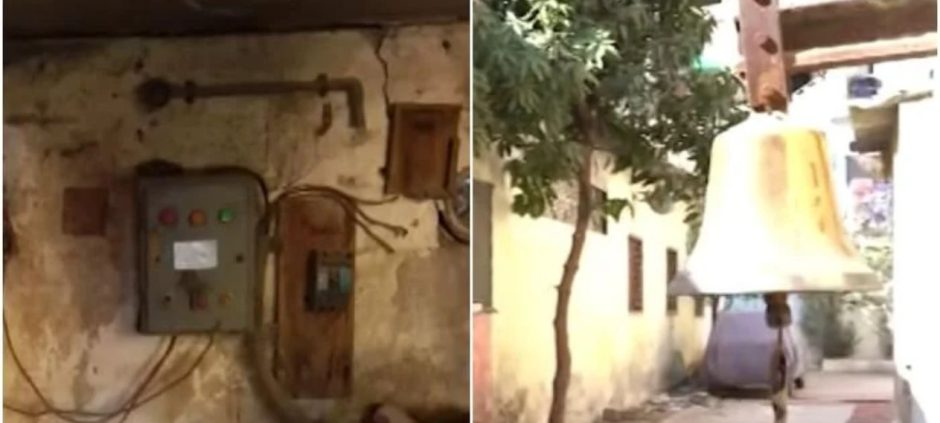
Storage areas for firefighting equipment are in poor shape, with damaged ceilings, crumbling plaster, and outdated facilities. They resemble rural sheds rather than a modern emergency center.
Electrical systems date back to the station’s founding, with worn-out switchboards and exposed wires posing safety hazards. Equipment, largely unchanged since the colonial era, is outdated compared to global standards.
The water supply system is also nearly a century old. The underground tank and pumping station are partially non-functional, and manual controls are still in use. Modern automatic systems are standard elsewhere.
Even the emergency alarms remain in the original bells from 1937, summoning firefighters from nearby residential quarters during crises.
Staffing at the station is minimal. Only one operator manages the control room, compared to 36 operators deployed by Rescue 1122 for similar functions.
The Saddar fire station’s challenges highlight gaps in public services. Read more in PM Shehbaz Sharif Announces Rs 4.04 Per Unit Cut in Electricity Rates.
The fire brigade operates with just three fire vehicles and seven auxiliary units, often small water bowsers. The shortage is critical given the station’s strategic location and responsibilities.
Budgets and staffing are unevenly distributed, with agencies having limited firefighting capacity receiving larger funding than the Saddar fire station.
Experts warn that without upgrades in infrastructure, equipment, and staffing, the Saddar fire station cannot meet modern emergency demands.
The current state underscores a pressing need for investment in Karachi’s emergency services to prevent further tragedies.