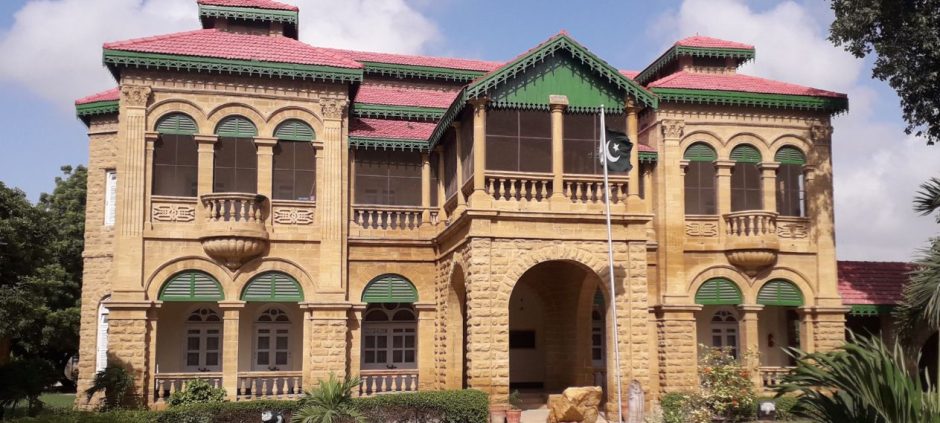
In the heart of Karachi, there is a building that holds a very special place in Pakistan’s history. This place is the Quaid e Azam House Museum. It was once the home of the nation’s founder, Muhammad Ali Jinnah. Today, it stands as a beautiful monument, preserved for all of us to see. Visiting this museum is like taking a step back in time. It allows you to walk through the rooms where the great leader lived and worked.
This guide will give you all the information you need to plan your visit. We will look at the rich history of this building, its importance to Pakistan, and what you can expect to see inside. We will also provide practical details like museum timings, ticket prices, and how to get there. This article is your complete visitor guide to one of Pakistan’s most important national treasures.
The History of the Flagstaff House
Before it became the Quaid e Azam House Museum, the building was known as the Flagstaff House. It has a story that begins long before Pakistan was created. The house was built in the late 19th century. A British architect designed it, giving it a beautiful colonial style with yellow stones. Its grand design made it a landmark in Karachi even back then.
In 1943, Muhammad Ali Jinnah purchased this magnificent house. He bought it from the mayor of Karachi at the time. He had planned to live here after his retirement from politics. The house was a symbol of his personal taste and status. He loved the city of Karachi and wanted to spend his later years in this beautiful home. Sadly, he did not get to live here for very long. After the creation of Pakistan in 1947, he became the first governor-general and moved into the governor-general’s house. He passed away just a year later in 1948.
His sister, Mohtarma Fatima Jinnah, lived in this house for many years after his death. She carefully preserved his belongings and the house itself. After she passed away, the government of Pakistan recognized the building’s immense historical value. In 1985, it was officially converted into a museum and named the Quaid e Azam House Museum. This ensured that the legacy of Pakistan’s founder would be protected for future generations.
While exploring the Quaid-e-Azam House Museum and its historical significance, readers may also find interesting stories related to Quaid-e-Azam. For instance, Faisal Rehman recently asserted that he had a meeting with Quaid-e-Azam.
What to See Inside the Quaid-e-Azam House Museum
A visit to the museum is an intimate look into the life of Muhammad Ali Jinnah. The house has been preserved to look exactly as it did when he lived there. As you walk through the rooms, you see the personal belongings of the Quaid and his sister.
The Ground Floor
When you enter the house, you will find several rooms on the ground floor. The main drawing room is elegantly furnished. You can see the sofas, chairs, and tables where Jinnah would have met his important guests. Another room served as his study. This is one of the most powerful rooms in the house. You can see his writing desk, his chair, and the bookshelves filled with his books. These books cover topics like law, politics, and history, showing his great intellect. Seeing his desk makes you feel the presence of the great leader who worked tirelessly for the nation.
The dining room is also on this floor. It has a large wooden table where the Jinnah family would have shared their meals. The furniture and cutlery are all from that era. Everything is arranged as if they are expecting guests to arrive at any moment.
The Upper Floor
Walking up the wooden staircase, you reach the upper floor. This is where the private living quarters were located. You can visit the bedrooms of Muhammad Ali Jinnah and Fatima Jinnah. The Quaid’s bedroom is simple yet elegant. It contains his bed, wardrobe, and other personal items. These objects offer a rare glimpse into his private life. You can see his clothes, including his famous sherwanis, and his shoes.
Fatima Jinnah’s bedroom is also beautifully preserved. It reflects her graceful personality. Her belongings show her role as a supportive sister and a key figure in the Pakistan movement. Seeing these personal items makes you realize that these historical figures were real people with daily lives, just like us.
The Architecture of the Museum
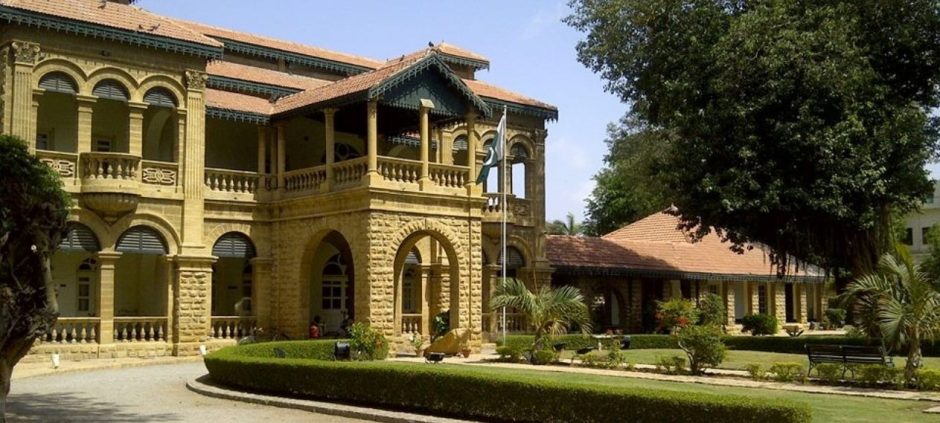
The building of the Quaid e Azam House Museum is a work of art in itself. It is a stunning example of colonial architecture, built with yellow Gizri sandstone. The design features large verandas, arched windows, and high ceilings. These features were common in buildings from that period, designed to keep the house cool in Karachi’s hot climate.
The house is surrounded by a large, green garden covering about 10,000 square yards. The peaceful gardens provide a calm atmosphere away from the busy city streets. The combination of the beautiful building and the serene gardens makes the museum a wonderful place to visit. The architecture tells a story of Karachi’s past and its rich heritage.
A Visitor’s Guide: Timings, Tickets, and Location
Planning your visit is easy. Here is the practical information you need.
Museum Timings
The Quaid e Azam House Museum has specific timings. It is important to check them before you go.
- Saturday to Thursday: 9:00 AM to 4:00 PM
- Friday: The museum is closed.
It is always a good idea to check for any public holidays, as the museum might be closed on those days as well.
Ticket Prices
The entry fee for the museum is very affordable. This is done to encourage more people, especially students, to visit.
- Adults: A nominal fee is charged, usually around PKR 20.
- Students: The ticket price is often lower for students with a valid ID card.
Prices can change, so it is best to confirm the current fee when you arrive.
Location and How to Get There
The Quaid e Azam House Museum is located in a central area of Karachi. The exact address is Fatima Jinnah Road, near the Cantt Station area. Its location makes it easily accessible from different parts of the city. You can get there by car, taxi, or a ride-sharing service. There is parking available nearby.
The Importance of the Museum Today
The Quaid e Azam House Museum is more than just a historic building. It is a place of national importance. It serves as a reminder of the principles and vision of Pakistan’s founder. For young people and students, a visit to the museum is a powerful history lesson. It helps them connect with their country’s past and understand the sacrifices made for its creation.
The museum inspires patriotism and a sense of pride. By preserving Jinnah’s home and his personal effects, Pakistan honors his legacy. The museum ensures that his simple, disciplined, and principled lifestyle continues to inspire future generations. It is a symbol of the nation’s identity and its journey to independence.