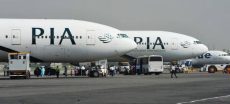
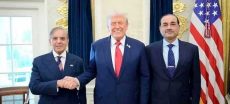
The loss-making Pakistan International Airlines (PIA) is set for a major transformation following its privatization. The PIA Privatization deal saw a Pakistani consortium led by the Arif Habib Group acquire a 75 percent stake in the national carrier for Rs. 135 billion on December 23. The deal values PIA at around Rs. 180 billion.
Under the PIA Privatization plan, the new owners will invest approximately $400 million over the next seven years. Two-thirds of this investment is expected at the time of takeover, anticipated in April, with the rest to follow later. The funding aims to cover initial losses and support fleet expansion and operational improvements.
Arif Habib, CEO of the Arif Habib Group, said the management will initially focus on enhancing passenger experience. Renovations will include updated check-in counters, refreshed aircraft cabins, new seating, and installation of entertainment systems. He added that strict flight punctuality will be essential to restore passenger confidence.
PIA currently operates a fleet of 19 aircraft. The new owners plan to expand it to 38 planes in the first phase, and eventually increase to 64 aircraft over the coming years. Limited aircraft availability has previously restricted service on high-demand routes, especially to the UK, United States, and Canada. Discussions are ongoing with the US Federal Aviation Administration to resume flights to the United States.
The airline’s name and logo will remain unchanged under the privatization deal. However, minor branding updates, such as staff uniforms, may be introduced. The consortium also has the option to acquire the government’s remaining 25 percent stake and consider a strategic partnership with a foreign airline.
In other related news also read PIA to Keep Its National Identity Amid Historic Privatization
Arif Habib said PIA may continue posting losses for one to two years before returning to profitability. Investors, however, expect reasonable returns in the medium to long term. The privatization is seen as a key step toward improving PIA’s efficiency, financial stability, and overall performance.