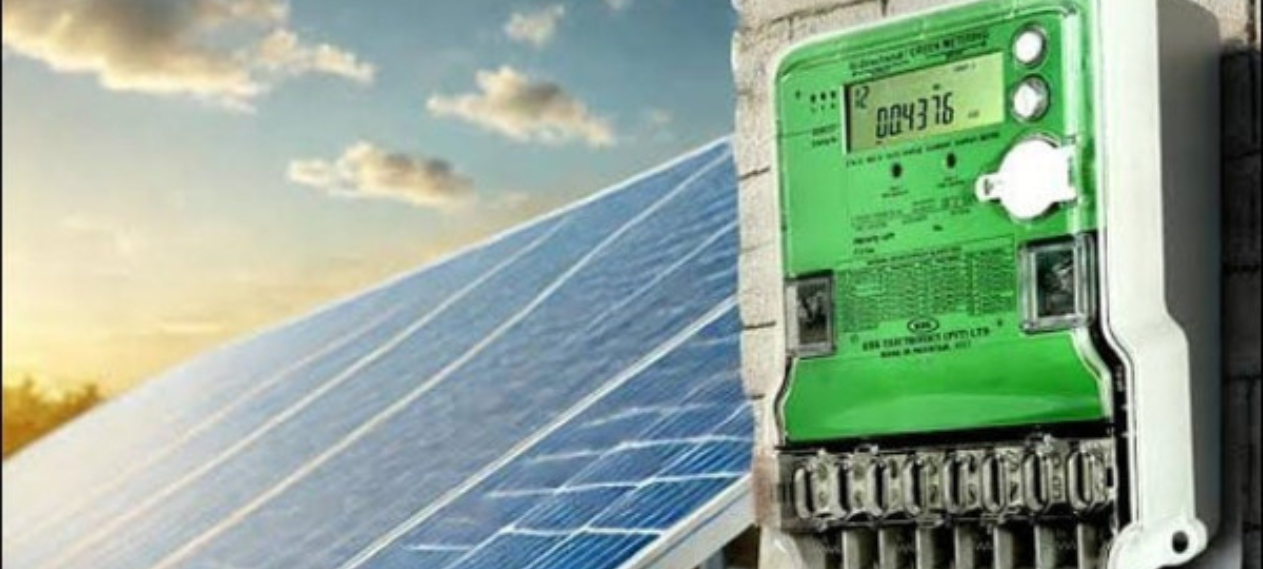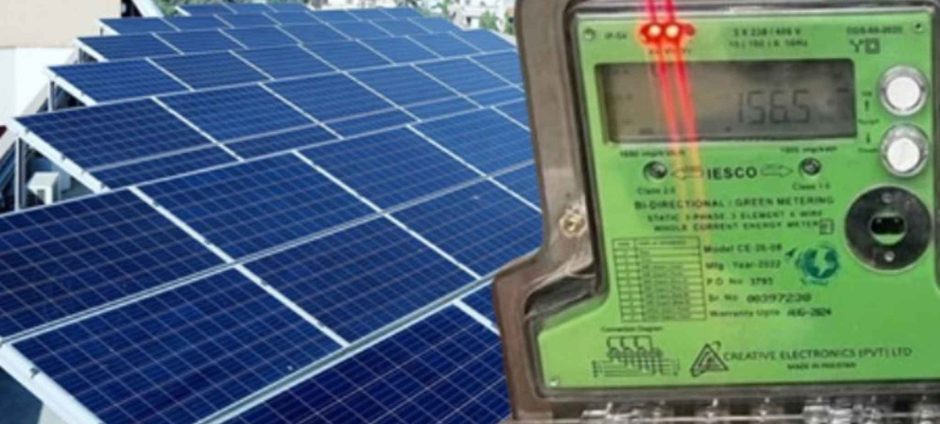
Pakistan’s Net Metering generation continued to rise in October 2025, with its share of total electricity generation increasing by 112 basis points year-on-year. The growth highlights the growing adoption of renewable energy, particularly rooftop solar systems, across households and businesses.
Data for October shows that net-metered units surged 43.3 percent compared with September, reflecting accelerated installation of solar panels ahead of the winter season. Analysts note that this trend indicates rising public interest in clean energy solutions and energy self-sufficiency.
Despite the increase in Net Metering, overall power generation fell 3.7 percent year-on-year in October. The decline underscores persistent challenges in the electricity sector, including weak demand and efficiency issues in generation and distribution.
The National Electric Power Regulatory Authority (NEPRA) forecasts that electricity demand will grow by 2.8 percent during FY25 as industrial and commercial activity gradually recovers. Experts suggest that the continued expansion of net-metered rooftop solar systems can help balance supply and demand while reducing strain on the national grid.
The rise in Net Metering also aligns with government initiatives promoting renewable energy and decentralized generation. By encouraging households and businesses to generate their own electricity, policymakers aim to improve energy efficiency and decrease reliance on traditional power plants.
Energy analysts believe that the October growth in net-metered units reflects a long-term shift in Pakistan’s energy landscape. As more consumers adopt rooftop solar, the sector can expect a positive impact on energy costs, grid stability, and environmental sustainability.
In other related news also read Government Plans to Replace Net Metering with Gross Metering for Solar Users
With ongoing support for Net Metering programs, Pakistan’s renewable energy sector is poised for further growth, contributing to cleaner electricity production and providing consumers with more control over their energy usage.