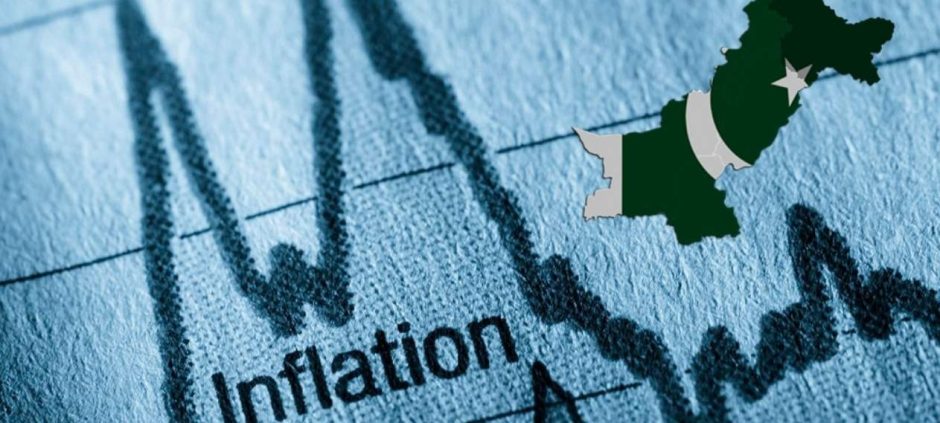
Pakistan’s inflation showed varied trends in January 2026, according to the Pakistan Bureau of Statistics (PBS). The Consumer Price Index (CPI) General inflation rose 5.8 percent year-on-year (YoY), up from 5.6 percent in December 2025 and 2.4 percent in January 2025. On a month-on-month (MoM) basis, CPI increased 0.4 percent, reversing a 0.4 percent decline in the previous month.
Urban CPI inflation remained steady at 5.8 percent YoY, unchanged from December 2025. Monthly inflation in urban areas rose slightly by 0.2 percent. In rural areas, CPI inflation also reached 5.8 percent YoY, up from 5.4 percent the previous month. On a MoM basis, rural CPI increased by 0.6 percent, following a 0.6 percent decline in December.
Sensitive Price Index (SPI) inflation increased 3.3 percent YoY in January 2026, compared with 2.5 percent in the previous month. However, SPI remained negative on a monthly basis at -0.8 percent. Meanwhile, the Wholesale Price Index (WPI) rose 0.2 percent YoY but fell 0.2 percent MoM.
Core inflation, which excludes food and energy prices, also recorded upward movement. Non-food, non-energy (NFNE) urban CPI rose 7.2 percent YoY and 1.0 percent MoM. Rural NFNE CPI increased 8.3 percent YoY and 1.1 percent MoM.
The 20 percent weighted trimmed mean, another measure of core inflation, increased 4.9 percent YoY in urban areas and 5.4 percent in rural areas. Month-on-month, it rose 0.5 percent in urban areas and 0.7 percent in rural areas.
Experts said the mixed trends reflect ongoing economic pressures, including rising food and energy costs. Analysts noted that while urban inflation appears relatively stable, rural areas are experiencing slightly higher monthly increases.
In other related news also read State Bank Considers Stability as Inflation Rises in Pakistan Economy
Overall, Pakistan’s inflation remains elevated compared to last year, signaling that households may continue facing cost-of-living challenges. Policymakers are closely monitoring the situation to manage price stability.