The government of Pakistan, led by Prime Minister Shehbaz Sharif, unveiled a five-year industrial policy on Thursday. The policy aims to promote industrial growth, increase exports, and provide financial relief to businesses.
A key feature of the policy is the phased reduction of the super tax from 29% to 26%. This 3% cut is expected to provide Rs 270 billion in relief to the industrial sector, with medium and small-scale industries receiving Rs 110 billion in tax benefits.
Additionally, the policy abolishes a 1% advance income tax for medium and small businesses. These steps are designed to improve liquidity and encourage investment in Pakistan’s industrial sector.
To boost exports, the government plans to gradually reduce export tariffs over the next five years. Local taxes and withholding on imported inputs will also be lowered, giving exporters more financial flexibility.
The policy includes the formation of a National Industrial Rehabilitation Commission to revive closed units. Commercial banks will provide loans under directives from the State Bank of Pakistan, while private sector bank financing is expected to increase by 20%.
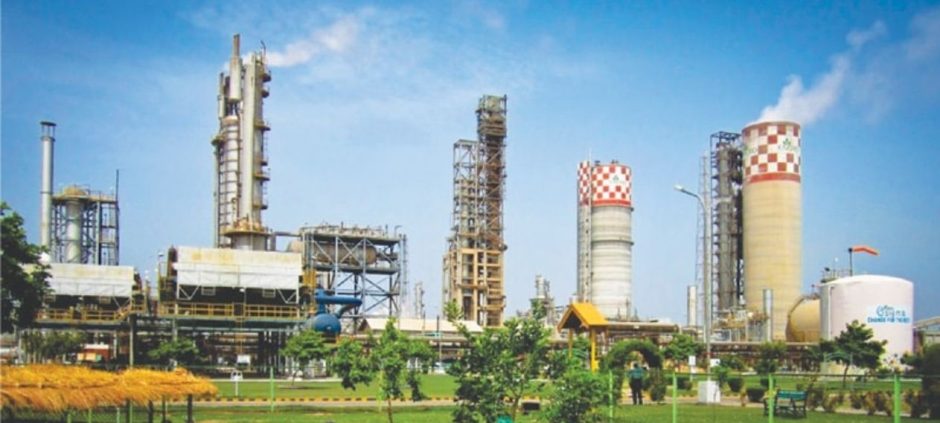
Energy infrastructure is another focus. The policy envisions full implementation of energy recovery initiatives and upgrades to electricity transmission and distribution systems. These improvements aim to support industrial growth and efficiency across Pakistan.
However, sources in the Ministry of Finance noted that the International Monetary Fund (IMF) has raised concerns about the 3% super tax reduction and other tax exemptions. IMF opposition could delay the policy’s full implementation until 2027.
In other related news also read Digital Investment Deal: Pakistan, China Strengthen Tech Links
The five-year industrial policy demonstrates Pakistan’s commitment to strengthening its industrial base, supporting businesses, and enhancing the country’s global export competitiveness. Officials say continued dialogue with the IMF is essential to ensure timely implementation.