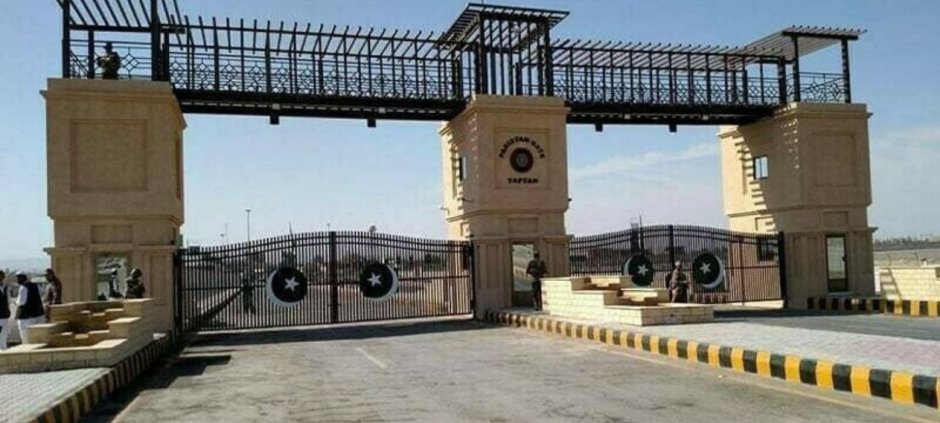
Pakistan has suspended trade with Iran through the Taftan and Gabd-Rimdan border crossings in Balochistan, citing security concerns and efforts to control smuggling. The decision has raised concerns among traders and energy sector representatives about possible supply disruptions and financial losses.
The Ministry of Commerce issued a memorandum on Friday, withdrawing an earlier order dated October 3 that had allowed trade through the two crossings. The suspension took effect immediately and became public on Saturday.
The move has disrupted commercial activity along important routes used for the movement of goods between Pakistan and Iran. Officials have described the closure as temporary and said efforts are underway to address the issues.
Government Says Border Closure Is Temporary
Shahid Rind, adviser to the Balochistan chief minister on media and political affairs, said the suspension was intended to address security concerns, prevent smuggling and improve border management.
In a statement on X, Rind rejected what he described as rumours circulating on social media. He urged people to avoid relying on unverified information about the situation.
Rind said senior officials from Pakistan and Iran were making progress on resolving administrative issues. He also indicated that the crossings could reopen soon as both sides work towards a coordinated system for managing border activity and preventing illegal trade.
Iranian Foreign Ministry spokesperson Esmail Baqaei also described the closure as temporary. According to Iran’s state-run news agency IRNA, Baqaei attributed the disruption to technical issues and said consultations were underway to restore normal operations.
The differing explanations highlight the administrative and operational issues surrounding the suspension. However, no confirmed reopening date has been announced in the provided information.
Trucks Stranded as LPG Supplies Face Uncertainty
The suspension has affected commercial transport at both crossings. Hundreds of vehicles carrying liquefied petroleum gas (LPG), rice, fresh fruit and other essential goods are reportedly stranded on both sides of the border.
The Quetta Chamber of Commerce and Industry has advised its members to stop placing new import and export orders with Iran until further notice.
Reports from Iran indicate that passenger movement through the Rimdan-Gabd crossing continues, even though commercial operations have stopped.
The disruption has raised particular concerns about LPG supplies. The Gabd-Rimdan route has become an important channel for Pakistan’s energy imports, with reports indicating that more than 4,000 tonnes of LPG enter the country through the crossing each day.
Trade and energy sector sources have warned that a prolonged suspension could worsen LPG shortages in Karachi and other cities. They have also raised concerns that reduced supplies could push up prices in the open market.
The Taftan route has already faced disruptions linked to unrest in Balochistan, increasing concerns about the impact of the latest decision on alternative supply channels.
Traders Warn of Financial Losses
The suspension could also affect Pakistani exporters, particularly rice traders who have increased shipments through the Gabd-Rimdan route in recent months.
Traders have warned that the disruption could lead to financial losses for businesses, reduce government revenue and affect people whose livelihoods depend on cross-border trade.
With goods stranded and new orders on hold, businesses are waiting for clarity on when commercial activity can resume.
Suspension Comes Amid Plans to Increase Bilateral Trade
The decision comes as Pakistan and Iran have been working to strengthen economic ties. In August, an Iranian delegation led by Trade and Industry Minister Mohammad Atabak visited Islamabad for the 10th session of the Pak-Iran Joint Trade Committee.
During the visit, both countries agreed to work towards increasing bilateral trade to $10 billion. They also discussed keeping border crossings operational around the clock.
The latest suspension creates uncertainty for businesses that were expecting stronger trade links between the two neighbours.
Border trade has faced disruptions before. In June, reports emerged that commercial activity through Gabd-Rimdan had stopped, although Pakistan Customs rejected claims of a disruption in LPG imports at that time.
For now, traders and transport operators are awaiting further announcements from the authorities. The duration of the current suspension and its full impact on trade and energy supplies will depend on how quickly Pakistan and Iran resolve the outstanding issues.