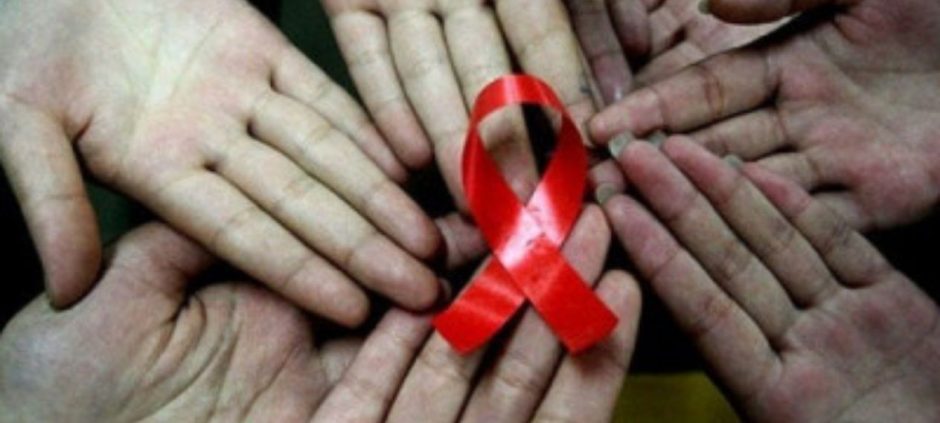
Pakistan is witnessing a sharp increase in HIV Cases, making it one of the fastest-growing epidemics in the WHO Eastern Mediterranean Region. New infections rose from 16,000 in 2010 to 48,000 in 2024, according to health authorities. The alarming trend was highlighted during a World AIDS Day awareness walk organized by WHO and UNAIDS.
Health experts warn that HIV Cases are no longer limited to high-risk groups. The virus is increasingly affecting children, spouses, and the wider community. Unsafe blood transfusions, unsterile injections, weak infection-control practices, limited HIV testing for pregnant women, and social stigma are major contributors.
Under the theme “Overcoming disruption, transforming the AIDS response,” WHO, UNAIDS, and Pakistan’s Ministry of Health urged public awareness and preventive measures. Dr. Ayesha Isani, Director General Health, emphasized the need for communities, clinicians, and regulators to eliminate unsafe practices and protect both children and adults.
Currently, around 350,000 people are living with HIV in Pakistan, but eight out of ten remain unaware of their status. Children are increasingly affected, with infections among 0–14-year-olds rising from 530 in 2010 to 1,800 in 2023.
Pakistan has expanded antiretroviral therapy (ART) access significantly over the last decade. The number of people on treatment increased from 6,500 in 2013 to 55,500 in 2024, while ART centers grew from 13 in 2010 to 95 in 2025. Despite this progress, only 21% of people with HIV know their status, 16% are on treatment, and 7% have achieved viral suppression.
WHO noted recent outbreaks in Sindh and Punjab, including Hyderabad, Larkana, Jacobabad, and Shaheed Benazirabad, were linked to unsafe injections and contaminated blood. In some areas, over 80% of new HIV Cases were children.
UNAIDS officials warned that ending AIDS in Pakistan requires increased funding, stronger prevention programs, and better support for women, children, and key populations. Mother-to-child transmission remains a concern, as only 14% of pregnant women receive treatment, and just 38% of infected children are on therapy.
In other related news also read Pakistan Records Over 1,000 HIV cases monthly
The rising HIV Cases in Pakistan underline the urgent need for stronger prevention, testing, and treatment programs across the country.