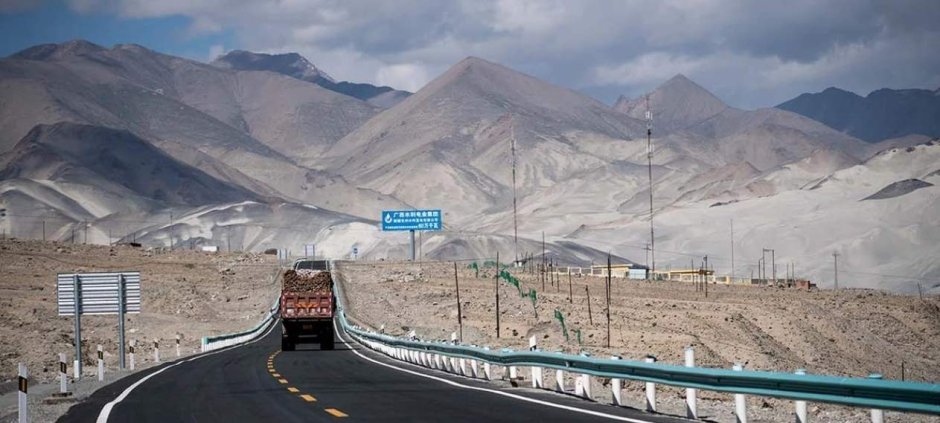
Pakistan is exploring plans to establish trade corridors through China to improve road connectivity with Central Asian countries and expand regional commerce. Federal Minister for Communications Abdul Aleem Khan outlined the proposal during a meeting with Azerbaijan’s newly appointed ambassador to Pakistan, Irfan Davudov, in Islamabad.
The meeting took place on Friday, October 23, 2026, and focused on strengthening bilateral relations, expanding trade and investment, and increasing cooperation in communications and infrastructure development.
According to the government’s official press release, Khan said Pakistan was keen to develop trade corridors reaching Central Asian republics through China. He stressed that modern transport infrastructure and a reliable transportation network were essential for improving regional connectivity and facilitating trade. <text color=”secondary” size=”sm”>Source: Press Information Department</text>
The proposal reflects Pakistan’s wider interest in strengthening its position as a regional transit and trade hub by improving road links with neighbouring countries and connecting commercial routes across Central Asia.
However, the latest announcement reflects the government’s stated objective rather than confirmation of a finalised route, construction schedule or approved infrastructure project.
Pakistan Wants New Trade Routes Through China
During the meeting, Abdul Aleem Khan highlighted the importance of developing transport corridors that could connect Pakistan with Central Asian markets through China.
The proposed approach would involve stronger road connectivity and improved transportation infrastructure to facilitate the movement of goods across borders. Better connections could potentially give traders additional options for moving products between Pakistan and landlocked Central Asian economies.
Reliable road networks are important for reducing transportation delays, improving logistics and making cross-border trade more efficient. However, the practical benefits of any future corridor would depend on factors such as infrastructure capacity, border procedures, customs arrangements, security and coordination between the participating countries.
Khan emphasised that modern infrastructure would be essential to strengthening regional commerce. His remarks placed road connectivity within the broader goal of expanding economic cooperation with countries across Central Asia and the surrounding region.
The government has not yet announced specific routes or a detailed implementation plan for the proposed corridors through China.
Pakistan and Azerbaijan Discuss Trade and Investment
The proposed trade corridors were discussed during a meeting that also focused on strengthening economic ties between Pakistan and Azerbaijan.
Khan welcomed Irfan Davudov on his appointment as Azerbaijan’s ambassador to Pakistan and conveyed his best wishes for his diplomatic assignment.
Both sides discussed opportunities to expand bilateral trade, improve infrastructure cooperation and encourage joint ventures across different economic sectors.
Khan also recalled his recent visit to Azerbaijan and expressed optimism about the potential for wider cooperation between the two countries.
The discussions highlighted the importance of identifying new avenues for mutual trade and investment, particularly in communications and infrastructure.
For Pakistan, stronger relations with Azerbaijan could create opportunities for commercial partnerships and broader regional economic engagement. For Azerbaijan, increased cooperation could strengthen its commercial links with Pakistan and contribute to wider connectivity initiatives.
The two sides reaffirmed their commitment to maintaining friendly relations and expanding cooperation during Davudov’s diplomatic tenure. <text color=”secondary” size=”sm”>Source: The News International</text>
Ambassador Irfan Davudov Reaffirms Commitment to Stronger Ties
During the meeting, Davudov expressed Azerbaijan’s commitment to strengthening diplomatic and economic relations with Pakistan.
He said he intended to build on the foundation established by his predecessors and continue efforts to promote closer cooperation between the two countries.
The meeting also acknowledged the contributions of Azerbaijan’s former ambassador to Pakistan, Khazar Farhadov, towards strengthening bilateral relations.
Both sides expressed their intention to deepen the longstanding friendship between Pakistan and Azerbaijan, with particular attention to trade, investment and infrastructure development.
While the meeting did not announce a new bilateral trade agreement, it provided an opportunity to discuss areas where further cooperation could be developed.
Regional Connectivity Could Open New Trade Opportunities
Improved road connectivity is an important consideration for Pakistan as it seeks to expand trade with Central Asian countries.
Many Central Asian economies are landlocked, making reliable transport links through neighbouring countries particularly important for international commerce. Better road connections can provide additional options for moving goods, although the effectiveness of any corridor depends on the costs, time and procedures involved in cross-border transportation.
For Pakistan, improved links could potentially strengthen commercial connections between domestic markets, Chinese transport networks and Central Asian destinations.
Such connectivity could also support logistics services, trucking operations, warehousing and other businesses involved in regional trade.
However, developing a commercially viable corridor requires more than building roads. Countries involved must coordinate customs procedures, transit permissions, border infrastructure and transport regulations to allow goods to move efficiently.
The latest proposal therefore represents an ambition to improve regional connectivity, while its actual commercial impact would depend on further planning and agreements.
CPEC and Wider Regional Trade Connections
Pakistan has previously expressed interest in connecting its transport infrastructure with broader regional economic networks.
In September 2026, Abdul Aleem Khan discussed integrating the China-Pakistan Economic Corridor (CPEC) with regional frameworks, including the Economic Cooperation Organization (ECO), the Central Asia Regional Economic Cooperation (CAREC) programme and the Shanghai Cooperation Organisation (SCO).
During a panel discussion at the Azerbaijan International Investment Forum in Baku, the minister highlighted the importance of regional connectivity, infrastructure development and trade cooperation. <text color=”secondary” size=”sm”>Source: Radio Pakistan</text>
These remarks provide broader context for Pakistan’s latest interest in trade corridors through China. They indicate a continued focus on connecting domestic infrastructure with regional markets and improving Pakistan’s role in cross-border commerce.
Nonetheless, the integration of transport networks and trade arrangements involves detailed negotiations, financing decisions and coordination between participating countries.
What Happens Next?
Pakistan’s proposal to establish road corridors through China highlights the government’s stated interest in expanding trade with Central Asia and strengthening economic links with Azerbaijan.
The October 23 meeting focused on the importance of transport infrastructure, regional commerce and bilateral cooperation. It also reaffirmed both countries’ intention to explore new opportunities in trade, investment and joint ventures.
The next significant steps would involve identifying practical routes, assessing infrastructure requirements, determining financing needs and coordinating with the relevant countries.
Until those details are announced, the proposal should be viewed as a regional connectivity objective rather than a confirmed construction project.
If implemented through viable agreements and infrastructure investment, improved road links could provide Pakistan with additional opportunities to connect its businesses with Central Asian markets and participate in broader regional trade networks.
Also read: Jaglot–Skardu Road Reopens After Flash Flood Damage