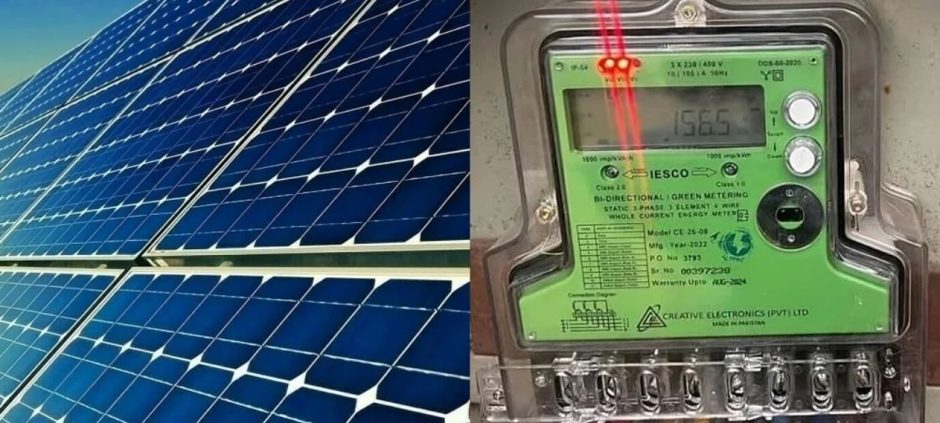
Solar panels are becoming a common sight on rooftops across Pakistan. They promise cheaper and cleaner energy for many households. However, this rapid growth is causing technical problems for the national power grid. The National Electric Power Regulatory Authority (NEPRA) has proposed a significant operational shift. They plan to replace the current system with gross metering. This proposal marks a major update to the Solar Net Metering Policy.
The new system works differently from the one people know. Currently, users consume their own solar power and export the excess. The new gross metering model changes this dynamic completely.
Under gross metering, you send all generated electricity directly to the national grid. The utility company measures every single unit you produce. They pay you a fixed price for this exported power. Meanwhile, you buy all the electricity you need from the grid at standard retail rates. This method separates your generation from your consumption.
Changes in Buyback Rates
This shift brings financial changes for new solar users. The draft regulations suggest a new buyback rate. The grid will pay Rs 11.30 per unit for electricity exported under gross metering. This is significantly lower than the Rs22 per unit currently offered.
New rooftop solar owners will see lower returns on their investment. However, there is good news for current users. Existing net metering users with valid contracts will continue at the older rates. They are safe until their current agreements expire. The proposed contracts under the new system would last five years.
Why the Policy is Changing
Authorities argue that the current system creates a financial burden. Non-solar users are currently subsidizing those with rooftop panels. The grid lost nearly Rs101 billion in revenue during the last fiscal year alone. This loss forces tariffs to rise for ordinary consumers.
Grid stability is another major concern for NEPRA. Solar generation often exceeds demand during winter days. This imbalance threatens the stability of the transmission network. Misuse of the system has also been reported. Some consumers export more power than their sanctioned load allows.
The Scale of Solar Adoption
Solar energy has overtaken the national grid in capacity. Reports indicate that 33 GW of electricity came from solar sources during the summer. This outpaced the 28–30 GW provided by the grid. Punjab leads this surge in adoption, followed by Sindh.
High electricity prices are driving this boom more than environmental concerns. The government is reviewing the Solar Net Metering Policy to address these economic and technical challenges. NEPRA has invited feedback from stakeholders before finalizing these rules.
As Pakistan advances its new solar net metering policy to boost renewable energy, the government is simultaneously taking steps to revive closed industrial units and promote economic growth.