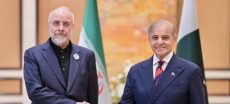
Pakistan and the International Monetary Fund (IMF) began a fresh round of negotiations on Monday, with Finance Minister Muhammad Aurangzeb holding an opening session with the visiting IMF mission to review the country’s economic performance and reform progress. The discussions mark an important phase in Pakistan’s ongoing engagement with the global lender amid efforts to stabilize the economy.
During the meeting, Finance Minister Aurangzeb briefed the IMF delegation on improvements in key economic indicators and outlined the government’s reform agenda aimed at strengthening fiscal discipline and restoring macroeconomic stability. Officials familiar with the discussions said the government highlighted progress made in controlling inflation, improving foreign exchange reserves, and maintaining financial sector stability.
The talks were attended by senior economic leadership, including Finance Secretary Imdad Ullah Bosal and State Bank of Pakistan Governor Jameel Ahmad. Representatives from the IMF, including the mission chief and the Fund’s resident representative in Pakistan, also participated in the discussions, reflecting the importance of the review process.
Officials confirmed that four to five detailed sessions were scheduled throughout the day, focusing on a comprehensive assessment of Pakistan’s economic performance during the first half of the current fiscal year. The IMF team is expected to examine fiscal outcomes covering the July–December period, including revenue collection trends, government expenditures, and overall budget management.
A key part of the discussions involves evaluating Pakistan’s revenue performance, particularly in sales and income tax collection. Authorities are set to explain reasons behind any shortfalls in tax targets and present corrective measures designed to improve compliance and broaden the tax base in the coming months.
The government will also present its expenditure prioritization strategy to the IMF, outlining how resources are being allocated to essential sectors while maintaining fiscal responsibility. Additionally, the economic impact of recent floods will be reviewed, including reconstruction costs and pressure on public finances caused by disaster recovery efforts.
Another major focus area of the talks includes Pakistan’s external debt position and financing requirements. Officials are expected to provide updates on debt servicing obligations, external financing arrangements, and measures being taken to ensure sustainable economic growth while meeting international commitments.
Economic analysts view the negotiations as critical for maintaining investor confidence and securing continued financial support. The outcome of these discussions could influence future disbursements, policy direction, and Pakistan’s broader economic outlook for the remainder of the fiscal year.
Also read: IMF Projects Inflation Rise in Pakistan