Global oil prices surged sharply on Thursday, with benchmark crude crossing the $100-per-barrel mark after escalating attacks on shipping routes and disruptions at key Gulf oil terminals heightened fears of supply shortages.
Brent crude futures jumped nearly 9% to $100.22 per barrel, while West Texas Intermediate crude climbed 9% to $95.41 per barrel, reflecting growing anxiety across global energy markets.
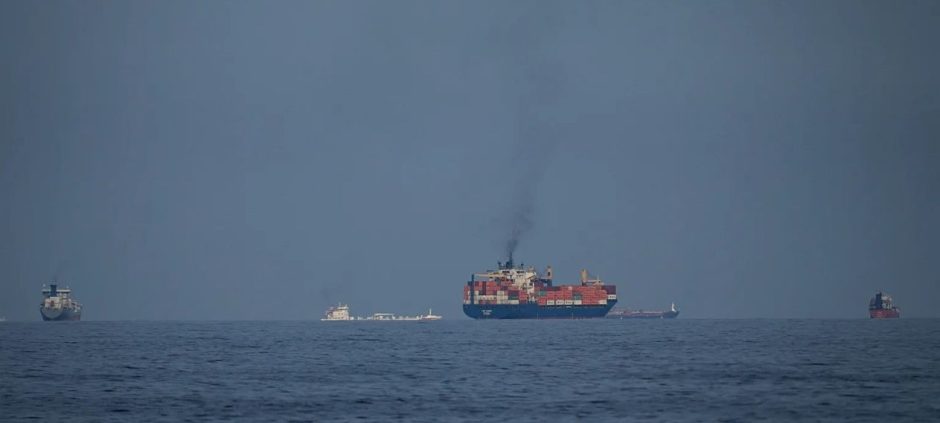
According to Iraqi security officials, two fuel tankers operating in Iraqi waters were struck by explosive-laden boats allegedly linked to Iran. Following the incident, Iraq’s major oil ports reportedly halted operations as authorities assessed security risks and potential infrastructure damage.
Meanwhile, Oman evacuated vessels from the strategic Mina Al Fahal oil export terminal as a precautionary measure. Analysts also reported several Iraqi crude tankers burning in the Persian Gulf, raising environmental concerns due to oil leakage into surrounding waters.
The price rally came despite a historic intervention by the International Energy Agency (IEA), which announced plans to release 400 million barrels of oil from global strategic reserves — the largest coordinated release ever undertaken. The United States is expected to contribute 172 million barrels beginning next week.
However, markets showed limited confidence that reserve releases would offset supply risks caused by intensifying regional tensions. Investors remain concerned about disruptions around the Strait of Hormuz, a critical chokepoint through which a significant portion of the world’s oil shipments passes.
Iranian officials warned that oil prices could potentially rise toward $200 per barrel if instability continues, while market analysts interpret recent attacks as a geopolitical escalation linked to ongoing energy and security disputes in the region.
Energy experts caution that continued disruptions could further fuel global inflation, increase transportation costs, and place additional economic pressure on oil-importing nations, including Pakistan, where fuel prices remain closely tied to international crude trends.