Global oil prices climbed sharply on Thursday as the ongoing closure of the Strait of Hormuz and rising tensions between the US-Israel nexus and Iran disrupted crude and gas flows from the Middle East, heightening supply concerns worldwide.
Brent crude rose $2.44, or 3 percent, trading at $84 per barrel, while US West Texas Intermediate (WTI) gained $2.45, or 3.3 percent, reaching $77 per barrel. Murban crude experienced the steepest jump, skyrocketing 8.53 percent to $88.44 per barrel, reflecting critical supply constraints.
The escalation follows a US strike on an Iranian ship in the Indian Ocean, which intensified hostilities. Meanwhile, a bipartisan resolution in the US Senate seeking to halt military operations against Iran was rejected, keeping geopolitical risks elevated.
Supply pressures were compounded by Iraq, OPEC’s second-largest producer, which reduced output by nearly 1.5 million barrels per day due to storage constraints and limited export options. Qatar, the Gulf’s leading LNG exporter, declared force majeure on gas shipments, with normal production unlikely to resume for at least a month.
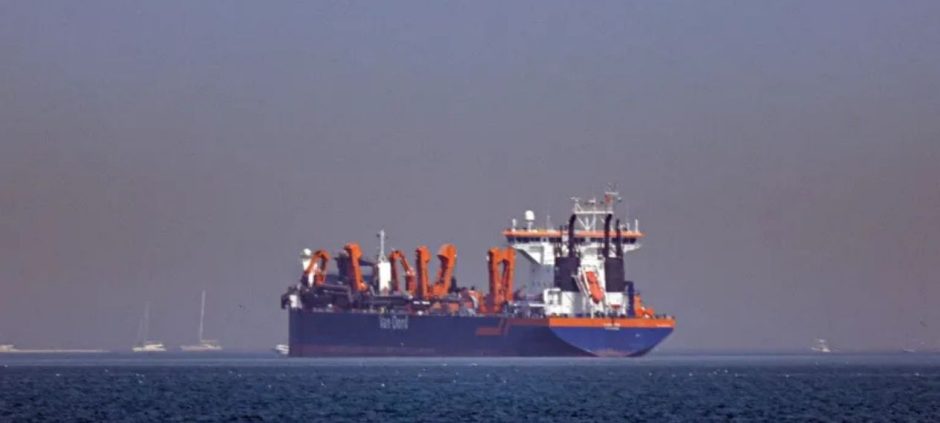
Maritime traffic through the Strait of Hormuz has slowed for the fifth consecutive day. A report from Britain’s maritime trade monitoring agency highlighted an explosion near a tanker southeast of Kuwait’s Mubarak Al Kabeer port, further raising security concerns. J.P. Morgan estimates 329 oil tankers remain stranded in the Gulf, with shipping risks outweighing resumption of operations.
Analysts note that most oil fields could resume production once conditions stabilize. However, logistical bottlenecks, particularly in Iraq and Qatar, remain the primary obstacle to recovery. Market watchers warn that elevated oil and gas prices may continue as long as tensions persist in the region.
Also read: Licence at Risk? DGPC Targets Three Oil Companies