Confirmed cases of the Nipah virus in India have prompted heightened alertness across the region, with health authorities emphasizing early detection and awareness. Officials have warned that while the virus is rare, its rapid progression and high fatality rate make timely identification critical to preventing severe outcomes and further spread.
Nipah is considered one of the world’s most dangerous viruses, with fatality rates reported as high as 75 percent in past outbreaks. There is currently no approved vaccine or specific antiviral treatment available, meaning medical care mainly focuses on managing symptoms and providing intensive supportive treatment to patients.
Governments in the region have stepped up surveillance measures, including monitoring suspected cases and screening travelers from affected areas. However, health experts continue to stress that public awareness is more important than panic, urging people to recognize symptoms early and seek immediate medical attention if needed.
The virus has an incubation period ranging from four to fourteen days, during which infected individuals may show no signs of illness. Early symptoms often resemble common viral infections and include high fever, headache, diarrhea, nausea, vomiting, and respiratory problems, which can make early detection challenging.
In severe cases, the disease can worsen rapidly, leading to pneumonia, severe breathing difficulties, and swelling of the brain. Neurological symptoms such as confusion, drowsiness, seizures, and loss of consciousness may develop, and once these complications appear, the illness can become fatal within days.
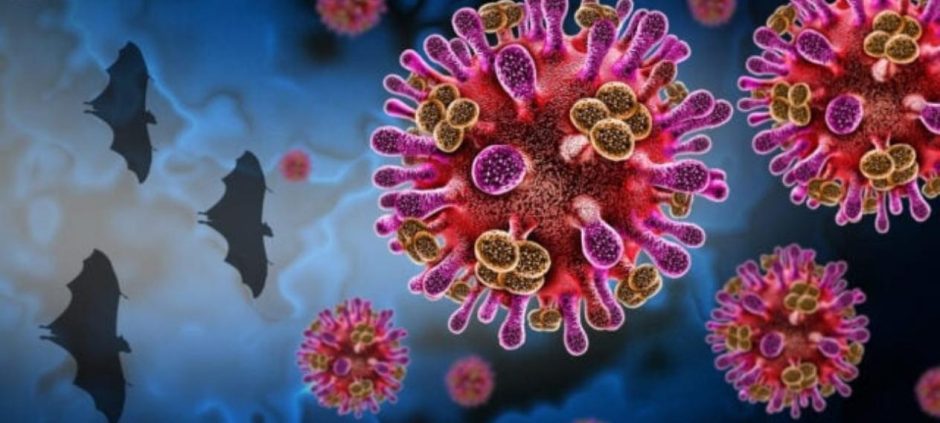
Nipah virus is mainly transmitted from animals to humans, particularly through contact with infected fruit bats or pigs, or exposure to contaminated food and bodily fluids. Human-to-human transmission has also been documented in previous outbreaks, usually through close contact, reinforcing the need for strict hygiene and prompt isolation of suspected cases.
Also read: Is Nipah Virus More Lethal Than Covid 19?