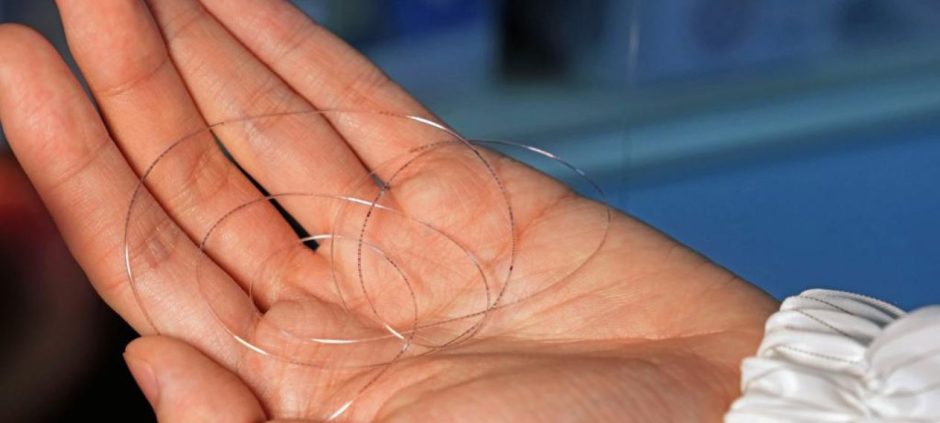
Scientists in Shanghai have developed a new fiber chip that could change the way electronics are designed. The breakthrough was achieved by researchers at Fudan University.
The fiber chip is flexible and thread-like, meaning it can be woven into fabric. This could allow clothing to function as interactive screens. The technology also opens possibilities for advanced brain implants and realistic virtual reality touch systems.
Unlike traditional silicon chips, which are rigid and flat, the fiber chip is soft and elastic. It combines processing, memory, and signal capabilities in a single polymer fiber thinner than human hair. This allows the chip to bend and stretch without losing function.
Peng Huisheng, the lead researcher, said the human body is made of soft tissue. He explained that future brain-computer interfaces require electronic systems that are soft and compliant. His team has spent over ten years developing functional fibers for applications like lighting, displays, and power.
The study, published in the journal Nature, highlights the potential of fiber chips to integrate technology into everyday objects. Experts believe these chips could be key to wearable electronics that respond to touch or monitor health signals in real time.
The fiber chip could also play a role in virtual reality systems. By embedding the chip into fabric, it may simulate touch sensations more realistically, creating immersive experiences for users. Stay updated on the latest smartphone innovations in our news on Apple Plans Tighter Dynamic Island for iPhone 18 Pro – Check New Leaks.
Researchers say the flexibility of the fiber chip allows it to be used in ways impossible for conventional silicon chips. They can be integrated directly into soft materials, making them ideal for applications that need both comfort and function.
With this development, electronics could move away from rigid devices toward smart textiles and wearable systems. Industries such as healthcare, gaming, and personal electronics are expected to benefit from this innovation.
The Shanghai team’s achievement marks an important step toward merging electronics with the human body and everyday life. The fiber chip demonstrates how electronics can become more adaptable, wearable, and integrated into daily routines.