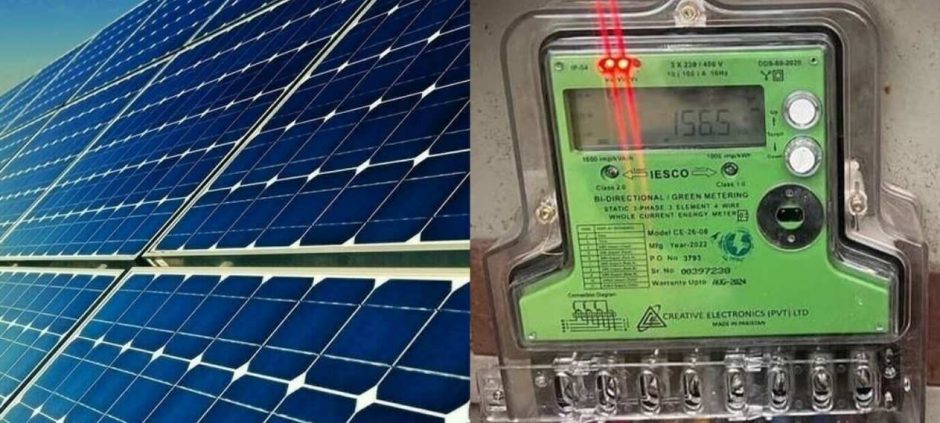
The National Electric Power Regulatory Authority (Nepra) has officially introduced the Net Metering Regulations 2026. The new rules bring major changes to how electricity generated by consumers is billed, paid for, and managed across Pakistan.
Nepra has now enforced a net billing system, replacing the previous net metering model from 2015. This means consumers will see a new structure for calculating and settling electricity units. The Net Metering Regulations 2015 will no longer apply under this updated framework.
Under the new system, electricity generated by consumers and sent to the national grid will be purchased at the National Average Energy Price. Meanwhile, electricity taken by consumers from the grid will be billed at the current tariff for their category. Nepra says this dual-rate system ensures clarity in pricing and fair compensation for both supply and consumption.
Consumers who supply extra electricity to the grid will receive payments every quarter. The payment will be calculated based on the national average energy price. Nepra stated that this replaces the previous monthly settlement process and aims to make the system more transparent.
The regulations also introduce a contract limit of five years for net metering agreements. Once a contract ends, it can be renewed for another five-year term according to the prevailing rules. Nepra explained that this change will allow periodic reviews of agreements and align them with national energy policies.
The Net Metering Regulations 2026 will also cover biogas consumers, expanding the rules beyond traditional solar users. Nepra emphasized that the updated framework aims to streamline billing, ensure transparency, and support efficient use of consumer-generated electricity.
In other related news also read NEPRA Unveils Revised Net Metering System for Electricity
These changes mark a significant step in modernizing Pakistan’s energy sector. Nepra encourages all net metering consumers to review the new rules carefully and adjust their billing and generation practices accordingly. The authority says the regulations are designed to benefit both consumers and the national grid while maintaining fairness in energy pricing.