Sindh Assembly Opposition Leader Ali Khurshidi has raised questions over the qualifications of the newly appointed dean of the University of Karachi’s Faculty of Law, alleging that the individual does not hold a master’s degree.
The Muttahida Qaumi Movement-Pakistan (MQM-P) leader made the remarks while speaking to reporters, where he also criticised the allocation of university admission seats for students from Karachi across public-sector universities in Sindh.
His comments focused on alleged irregularities in academic appointments, the provincial quota system and the use of domicile documents for university admissions.
Questions Raised Over Law Dean’s Academic Qualifications
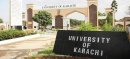
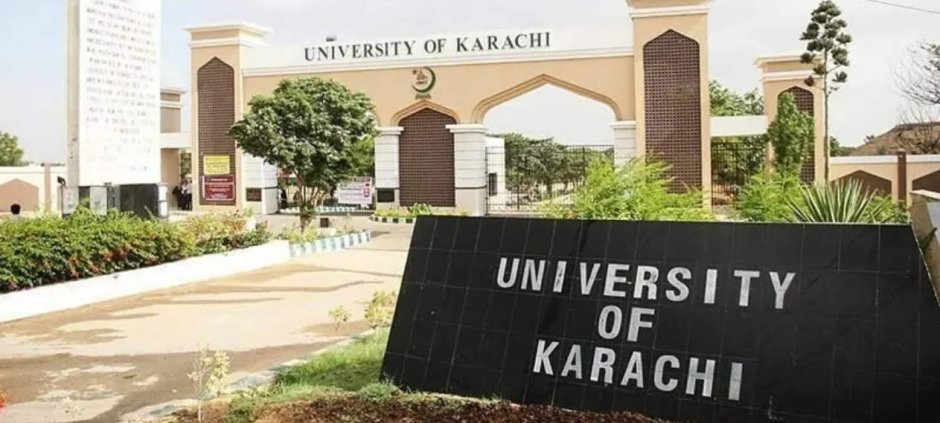
Khurshidi alleged that the person appointed as dean of the University of Karachi’s Faculty of Law does not possess a master’s degree.
He called attention to the appointment and urged the relevant authorities to examine the matter.
However, the allegations were not accompanied by supporting documentary evidence in the reported remarks. The university’s response to the claims was also not included in the report.
The controversy has raised questions about the academic requirements and verification process involved in appointments to senior positions at public universities.
MQM-P Leader Criticises University Admission Quotas
Apart from the appointment issue, Khurshidi questioned the allocation of admission seats for Karachi students at public universities across Sindh.
He argued that if Sindh is treated as a single administrative unit, students from Karachi should not face separate restrictions through regional admission quotas.
The opposition leader specifically questioned why a student from Ranchore Line in Karachi could not secure admission to Lyari Medical University.
His remarks highlighted concerns over whether students from different parts of the province receive equal opportunities when applying to public-sector educational institutions.
Claim of Limited Seats for Karachi Students
Khurshidi also criticised the allocation of seats for Karachi students at Mehran University of Engineering and Technology.
According to his statement, students from Karachi receive only 20 seats out of a total of 953 under the existing quota arrangement.
He questioned the fairness of this allocation and said the city’s students should receive opportunities based on transparent and equitable admission policies.
The issue of regional quotas remains an important subject in discussions about access to higher education, particularly in a province where students from different districts compete for limited public-sector seats.
Allegations of Fake Domiciles in Medical Admissions
The MQM-P leader also raised concerns about the use of allegedly fake domicile documents in medical college admissions.
He claimed that some candidates obtain fraudulent domiciles to qualify for the Medical and Dental College Admission Test (MDCAT) admission process under particular regional quotas.
Khurshidi further alleged that Karachi domiciles were being sold in exchange for money.
These claims point towards possible weaknesses in the verification of domicile documents, which determine a student’s eligibility under regional admission policies.
However, the allegations require investigation and independent verification. No specific evidence or official findings establishing the alleged sale of domiciles were included in the report.
Questions Directed at Karachi Mayor
Khurshidi also questioned whether Karachi Mayor Murtaza Wahab would publicly raise his voice over the concerns involving university admissions and the city’s representation in public-sector institutions.
He urged the relevant authorities to take notice of the alleged irregularities involving academic appointments, admission quotas and domicile documentation.
The opposition leader warned that those responsible would be held accountable if Karachi’s students continued to be denied what he described as their rightful opportunities.
Authorities Urged to Examine the Allegations
The concerns raised by Khurshidi cover several issues affecting higher education in Sindh, including the qualifications required for university appointments, regional admission quotas and the verification of domicile documents.
A transparent review of the relevant records and admission policies would be necessary to establish whether the allegations have merit.
For now, the opposition leader has called for official attention to the matter, placing the University of Karachi’s law faculty appointment and the wider admission system under renewed public scrutiny.