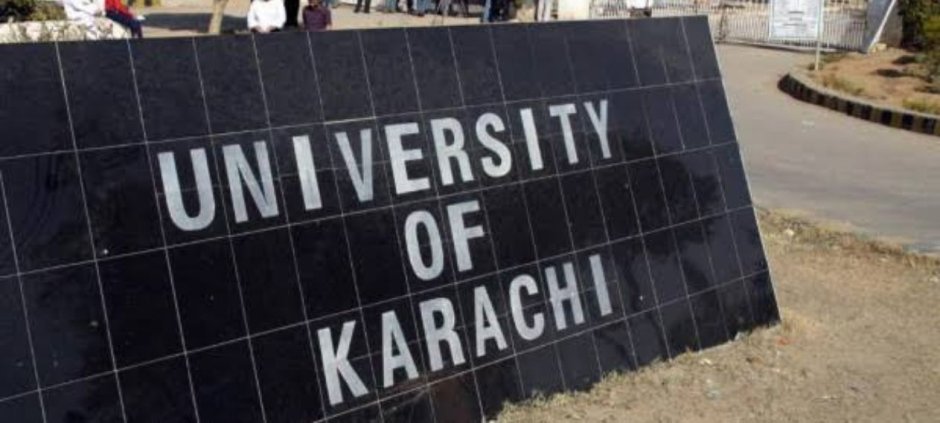
The University of Karachi is facing allegations that around 150 students from affiliated law colleges received passing marks after initially failing their BA LLB examinations. The reported changes have raised questions about whether the university followed its examination rules during the scrutiny process.
According to the allegations, students from S.M. Law College and Islamia Law College received revised results after failing their examinations. Some students reportedly had zero or low marks in subjects including Obligations and Pakistan Studies before their scores were changed to between 50 and 65 marks.
Questions Over the Scrutiny Process
The revised results were reportedly approved by then-acting Vice Chancellor Dr. Tufail Jokhio following recommendations from a committee involving the law dean, college representatives and the examinations controller.
The committee reportedly met on August 5 and recommended reassessing an LLB Part II examination paper. Approval was obtained the following day. The phrase “other related cases” was allegedly used to extend the process to Pakistan Studies results.
The reported changes have raised concerns about whether the scrutiny procedure was applied according to the university’s examination regulations.
Former Vice Chancellor Raises Objections
Former Vice Chancellor Dr. Khalid Iraqi said he had previously declined to process the students’ collective request because scrutiny applications must be submitted individually.
He explained that the rules for annual examinations allow marks to be recounted but do not permit answers to be rechecked through the same process.
The distinction is important because recounting involves checking the calculation and recording of marks, while reassessing answers involves reviewing the examiner’s evaluation.
Law College Principal Defends the Decision
S.M. Law College Principal Prof. Fareed Dayo defended the committee’s decision. He said 180 students had been failed by a teacher at Islamia College and argued that the committee provided relief to students who had been treated unfairly.
However, the allegations about the revised results remain a matter of concern, and the available information does not establish a formal finding of misconduct.
No response from Dr. Jokhio or the examinations controller was included in the supplied report. Further clarification from the university would be needed to establish the basis for the changes and whether the process complied with its rules.
The controversy has renewed questions about transparency, fairness and accountability in university examinations. Any formal review would need to examine the original answer sheets, scrutiny applications, committee recommendations and approval records before reaching conclusions.
Also read: Karachi mayor’s resignation