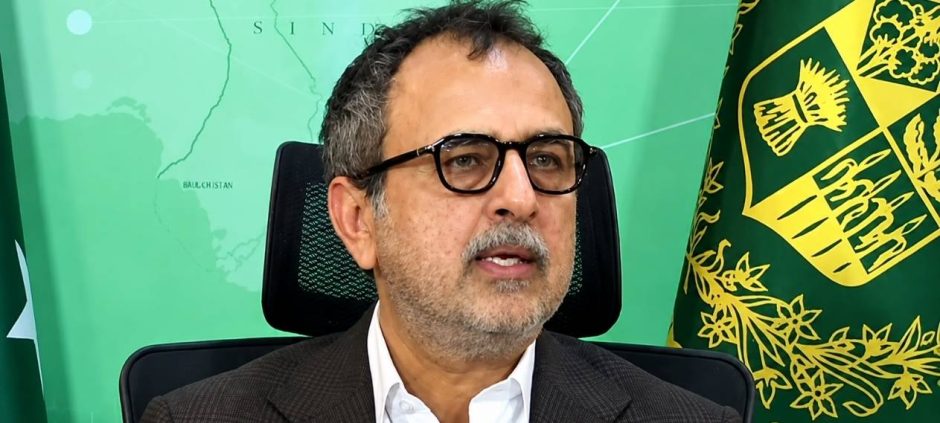
Federal Power Minister Awais Leghari has said that non-payment of Electricity bills by consumers remains one of the main reasons behind load-shedding in different parts of Pakistan.
The minister made the remarks during a session of the National Assembly on Wednesday while discussing the country’s ongoing power challenges.
According to Awais Leghari, the government is currently carrying out zero load-shedding on nearly 11,500 Electricity feeders across the country.
However, he warned that completely ending load-shedding everywhere would increase financial losses for the power sector.
The federal minister said the government has decided to change the current load-shedding system from feeder-based management to transformer-based management.
He explained that the technical work related to the new policy would likely be completed within one year before full implementation begins.
Under the proposed system, load-shedding will be applied based on the payment performance of consumers connected to specific transformers.
Areas where consumers regularly fail to pay Electricity bills may continue to face power outages under the revised policy.
Leghari stated that even his own constituency is facing serious power shortages, with five feeders reportedly experiencing up to 18 hours of load-shedding.
The minister emphasized that improving bill recovery remains important for reducing losses in the energy sector.
He said unpaid bills place additional financial pressure on electricity distribution companies and increase operational difficulties.
Meanwhile, separate reports revealed that electricity bills have become one of the government’s major sources of tax collection in recent years.
According to documents obtained by media outlets, consumers paid more than Rs1.906 trillion in taxes through electricity bills during the past three years.
The reports showed that over Rs700 billion in taxes was collected from electricity consumers during the last fiscal year alone.
Official records indicated that electricity distribution companies collected around Rs507 billion in taxes during the fiscal year 2022-23.
The amount later increased to nearly Rs698 billion during 2023-24.
Last year, total tax collection through electricity bills crossed the Rs700 billion mark.
The rising tax burden on electricity consumers has remained a major concern among the public, especially during periods of inflation and high utility costs.
Energy experts believe improving bill recovery and reducing power losses are necessary steps for stabilizing Pakistan’s electricity sector.
However, some analysts also argue that better infrastructure, improved governance, and affordable pricing policies are equally important for long-term energy reforms.
The government continues efforts to manage circular debt, reduce financial losses, and improve the country’s overall power distribution system.
In other news read more about: Petroleum Levy Collection in Pakistan Increases by 45 Percent
Officials say further reforms in the electricity sector are expected in the coming months as authorities work toward improving efficiency and reducing load-shedding across Pakistan.