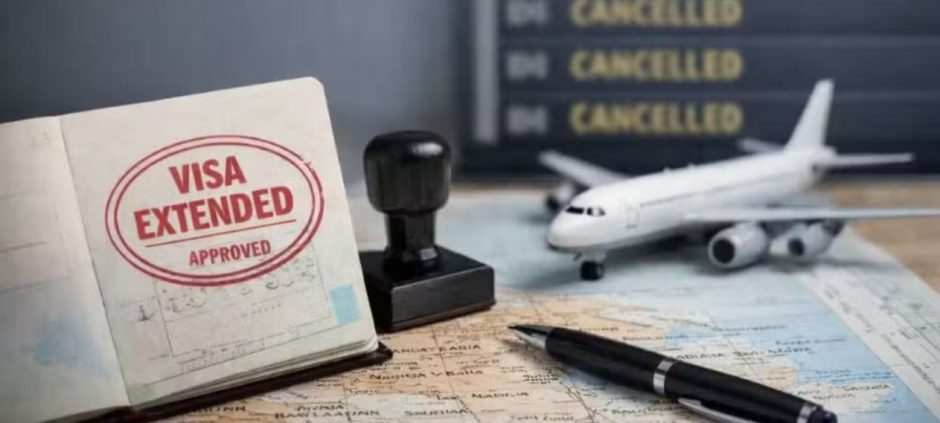
Rising tensions in the Middle East have forced several countries to close or restrict their airspace, causing major disruptions to international travel. Governments are introducing emergency visa measures to support affected travelers.
Countries including Iran, Israel, Kuwait, the United Arab Emirates, Bahrain, Iraq, and Qatar have fully or partially closed their airspace. Airlines have cancelled or rerouted flights to avoid these areas, leaving many passengers stranded. Some land borders are also operating with restrictions, further complicating travel.
Authorities advise travelers to monitor airline updates and government announcements before planning trips through the region. Frequent changes to airspace access mean schedules can be altered at short notice.
Visa Extensions and Emergency Measures
India: Foreign nationals unable to depart due to travel disruptions can contact the Foreigners Regional Registration Office (FRRO) for visa extensions or status regularization.
Israel: Automatic visa extensions apply for B-1 work visas, B-2 visitor visas, student visas, temporary residence permits, and family reunification visas expiring between February and May 2026. Some re-entry visas for foreign workers are also extended.
Kuwait & Qatar: One-month automatic visa extensions are offered for expiring visas. Overstay fines are waived, and stranded residents may receive additional permits. Qatar allows online extensions at no extra cost.
Saudi Arabia & Thailand: Emergency entry arrangements and temporary stay extensions of up to 30 days are available for affected travelers.
United Arab Emirates, Canada & UK: Overstay fines have been waived, and limited visa flexibility measures are in place for stranded travelers.
In other related news also read Government Salary Cuts Expected under New Austerity Program
Consular Services and Travel Advice
Some embassies and consulates are operating with reduced staff, causing delays in visa processing, document verification, and emergency travel services. Travelers are urged to contact their embassy as early as possible.
Authorities recommend travelers:
- Check airline updates frequently
- Monitor official government travel advisories
- Keep digital and printed copies of travel documents
- Avoid non-essential travel to affected areas
With ongoing regional tensions, airspace closures and flight disruptions are likely to continue. Travelers should remain flexible and stay updated on official developments to avoid delays or complications.