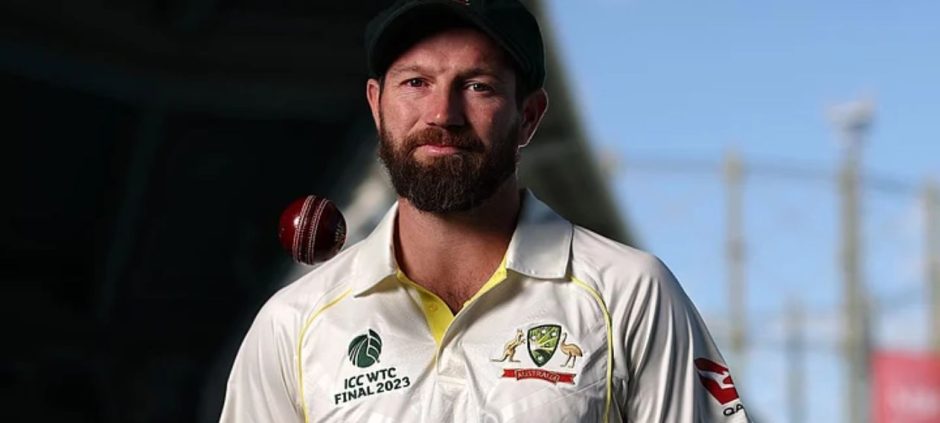
Cricket fans in Pakistan know the value of a fast bowler. We love pace and aggression. But we also know the pain of injuries. A fast bowler puts huge stress on their body. Recently, Michael Neser showed the world how to beat a career-ending injury. He is an Australian cricketer. He is 35 years old. Most fast bowlers retire by this age. But Michael Neser did not give up.
He suffered a severe hamstring injury. Many people thought his career was over. He proved them wrong. He came back to play in the Ashes series. He even took five wickets in a match at the Gabba. This article explains his injury and his smart recovery plan. We will look at how he fixed his body. We will also see what young bowlers can learn from him.
The Fear of the Hamstring Tear
Michael Neser got injured in late 2024. He was playing a match for Australia A. He felt a sharp pain in his leg. It was his hamstring. He limped off the field at the Melbourne Cricket Ground. This was a sad moment. He thought his dream of playing international cricket was finished.
The hamstring is very important for a fast bowler. Think of a car engine. The hamstring is like the engine for a bowler. It gives them power. It helps them run fast. It also helps them stop. Bowling at 140 kilometers per hour requires strong legs. A tear in this muscle is dangerous. It takes a long time to heal.
Neser said he felt very low. He admitted that he thought he had lost his chance. At 35, the body does not heal quickly. Young players heal fast. Older players struggle. This injury was a big wall in his path. But he decided to climb over it.
A Smart Decision to Skip County Cricket
Most cricketers want to play every match. They want to earn money and stay in form. Michael Neser made a different choice. He decided to skip the County Championship in the UK. This was a brave move. He knew his body needed rest.
He did not want to bowl on tired legs. Bowling too much can make an injury worse. He chose a “rebuild” phase instead. This means he focused only on training. He did not play matches for the whole winter. This rest allowed his muscle fibers to join back together.
This shows great discipline. Many players in Pakistan and around the world rush back too soon. They get injured again. Michael Neser waited. He listened to his body. He wanted to be 100 percent ready for the Ashes. This patience saved his career.
Understanding the Hamstring Injury
We need to understand why this injury is complex. We looked at advice from Varnit Yadav. He is a fitness expert. He says that every injury is different. Doctors give injuries a “Grade” to know how bad they are.
Grade 1 Injuries: This is a mild strain. It has small tears. You can fix this with rest. It takes about 2 to 3 weeks.
Grade 2 Injuries: This is a partial tear. The muscle fibers tear a little bit more. This takes 6 to 12 weeks to heal. Michael Neser faced a waiting time like this.
Grade 3 Injuries: This is a severe tear. The muscle might tear completely off the bone. This is very bad. It takes 6 to 8 months to fix. Sometimes it needs surgery.
Michael Neser had a bad tear. It was not just a small pain. He had to be very careful. If he rushed back, he could have turned a Grade 2 injury into a Grade 3 injury.
The Science of Recovery
Recovery is not just about sitting on a sofa. It is hard work. Varnit Yadav explains that physio is very important. Sometimes physio is not enough. But for Neser, the focus was on rebuilding strength.
A fast bowler needs to stop suddenly when they bowl. This is called the “delivery stride.” The front leg plants on the ground. The body stops moving forward. However, the arm moves fast. This puts huge pressure on the hamstring. It acts like a brake.
Neser had to teach his hamstring how to brake again. He had to do specific exercises. He started slow. Then he increased the load. This is called “progressive overload.” It makes the new muscle tissue strong.
A study in the British Journal of Sports Medicine talks about this. It says injuries involving the tendon take longer to heal. The tendon connects muscle to bone. If the tendon is hurt, it takes about 48 days just to start training. Neser took months to be safe.
Why Surgery is Sometimes Needed
Sometimes the muscle tears completely. In these cases, doctors must operate. They sew the muscle back to the bone. This is a big operation.
After surgery, the road is very long. The athlete has to learn how to walk again. Then they learn to run. Then they learn to bowl. The brain forgets how to use the muscle perfectly. The athlete must do intensive physiotherapy to “relearn” movements.
Michael Neser avoided the worst case. But he treated his rehab like a full-time job. He did not take shortcuts. This is a lesson for all athletes. If you want to play for a long time, you must respect the process.
The Big Comeback at the Gabba
The result of his hard work was amazing. The 2025/26 Ashes series started. Michael Neser was selected. He walked onto the field at the Gabba. He felt strong. He said his hamstrings felt like they were new again.
He bowled with fire. He bowled with pace. He took five wickets in the match. This is a “five-wicket haul.” It is a big achievement for any bowler. For a 35-year-old who was injured recently, it is a miracle.
He showed that age is just a number. If you treat your body well, it will serve you well. His performance helped Australia. But it also inspired people watching. It showed that you can come back from dark times.
What Pakistani Fans Can Learn
Pakistan produces amazing fast bowlers. We have seen legends like Wasim Akram and Shoaib Akhtar. But we also see many young talents get injured. They disappear from the team.
Michael Neser teaches us patience. Young bowlers should not overbowl. They should rest when they feel pain. They should listen to doctors.
Neser also teaches us about mental strength. He did not let negative thoughts win. He stayed positive. He had a plan. He followed the plan.
Strategic rest is important. Sometimes you must skip a small tournament to play a big one. Neser skipped county cricket to play the Ashes. He sacrificed short-term gain for long-term success. This is a smart mindset.
The Role of Diet and Discipline
Recovery also needs good food. The body needs protein to repair muscles. It needs water to stay hydrated. Neser lived a disciplined life during his break.
He likely avoided bad food. He slept on time. Sleep is when the body heals the most. Elite athletes know this secret. They sleep more than normal people.
His comeback is a masterclass. It combines medical science and personal willpower. He did not just rely on doctors. He took charge of his own health.
In other sports news, read how Virat Kohli surpasses Sachin Tendulkar by breaking another historic record in international cricket.
Frequently Asked Questions
1. How old is Michael Neser?
Michael Neser is 35 years old. This is considered late in a career for a fast bowler.
2. What injury did Michael Neser have?
He suffered a severe hamstring tear. It happened during a match for Australia A in late 2024.
3. Did Michael Neser have surgery?
The reports focus on his long rehabilitation and “rebuild” phase. He avoided playing to let it heal naturally and strongly without match pressure.
4. Why did he skip County Cricket?
He skipped it to rest his legs. He wanted to focus on healing his hamstring for the Ashes series.
5. How many wickets did he take in his comeback?
He took a five-wicket haul at the Gabba. This was his career-best performance in Test cricket.