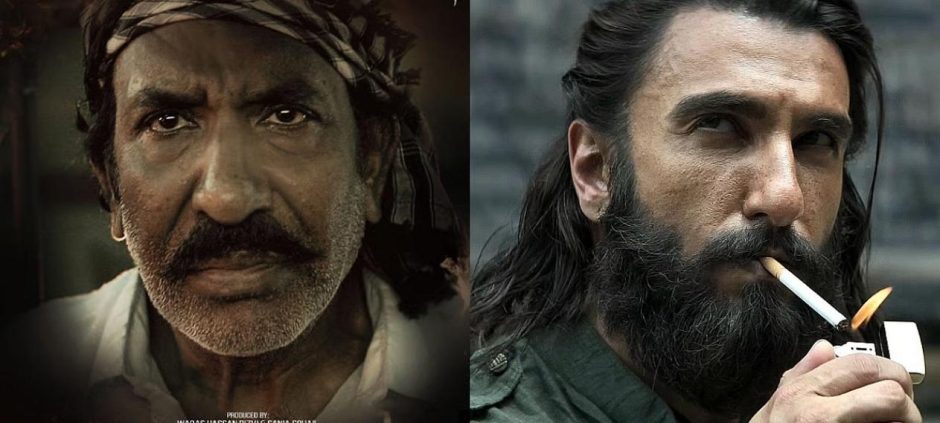
The Sindh government has announced the upcoming release of Mera Lyari, a Sindhi-language film designed to showcase the real image of Lyari. The film is intended as a response to the Indian movie Dhurandhar, which faced widespread criticism for portraying Lyari negatively.
Since its release on December 5, Dhurandhar has drawn backlash for depicting Lyari as a conflict-ridden area. Sindh Senior Minister and Information Minister Sharjeel Inam Memon condemned the film, calling it part of a broader campaign to misrepresent Pakistan and its communities.
“Lyari is not about violence; it represents culture, talent, peace, and resilience. Mera Lyari will show the true face of Lyari — one of pride, progress, and harmony,” Memon stated on social media platform X.
Although Dhurandhar is loosely inspired by past gang wars in Lyari, it has divided audiences in India. Some viewers supported the narrative, while many others criticized it. In Pakistan, the film was largely dismissed as propaganda, though some expressed disappointment that local filmmakers have not consistently told authentic stories about Pakistan’s culture and history.
A journalist highlighted the contrast in a video titled “The Karachi you see in Dhurandhar vs the Karachi I saw last week,” comparing chaotic scenes from the film with real-life images of Lyari’s vibrant music, food, and daily life.
Memon emphasized that Lyari represents cultural diversity and social harmony. Mera Lyari aims to present an accurate picture of the area to domestic and international audiences.
Meanwhile, a constitutional petition was filed in a Karachi court against Dhurandhar over the alleged unauthorized use of images of former Prime Minister Benazir Bhutto, the PPP flag, and party rally footage in the film’s trailer. The petition seeks the registration of an FIR against the filmmakers and actors involved.
In other related news also read Will Mera Lyari Bring Lyari Culture And Chaudhry Aslam Legacy Alive?
With Mera Lyari, the Sindh government hopes to offer an authentic portrayal of Lyari, correcting misconceptions and highlighting the community’s rich culture.