Pakistan’s largest metropolis, Karachi, is facing a sharp rise in fuel expenses as LPG prices surge due to supply disruptions linked to the ongoing regional tensions involving Iran. The increase has added new pressure on residents already struggling with high inflation and rising living costs.
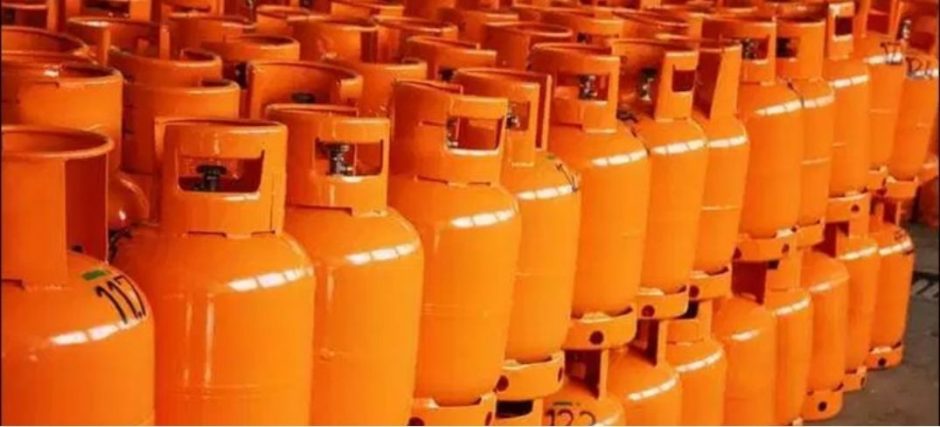
The retail price of LPG in Karachi has increased by Rs30 per kilogram, pushing it to around Rs330 per kg. This rate is significantly higher than the government’s official price of Rs226 per kg, highlighting a widening gap between regulated prices and the actual market rate. Traders say the difference reflects supply shortages and increasing demand in the market.
The sudden spike in LPG prices comes at a time when Pakistan is already dealing with the effects of rising petroleum prices. Economic analysts warn that higher fuel costs often trigger a chain reaction across the economy, increasing transportation expenses and pushing up the prices of goods and services.
Citizens across the country are already feeling the impact of the Middle East crisis. Increased petrol prices have led to higher transport fares, while the prices of vegetables, fruits, and other everyday food items have also started rising. Many households say their monthly budgets are becoming increasingly difficult to manage.
Retailers and traders explain that higher fuel prices directly affect the cost of transportation and supply chains. When petrol and LPG costs rise, delivery charges increase, forcing shopkeepers to adjust prices in order to maintain their profit margins and cover operational expenses.
Residents in Karachi say the impact was almost immediate. Public transport fares increased shortly after petrol prices went up, and the cost of basic household items also climbed. Many citizens believe the continuous rise in fuel costs is making daily life more challenging.
Amid growing concern, people are urging authorities to intervene quickly. Citizens are calling on the government to review petroleum product prices, ensure stable LPG supply, and implement effective measures to control inflation that continues to burden households across Pakistan.
Also Read: Massive Rs55 Increase Pushes Petrol Price to Rs321