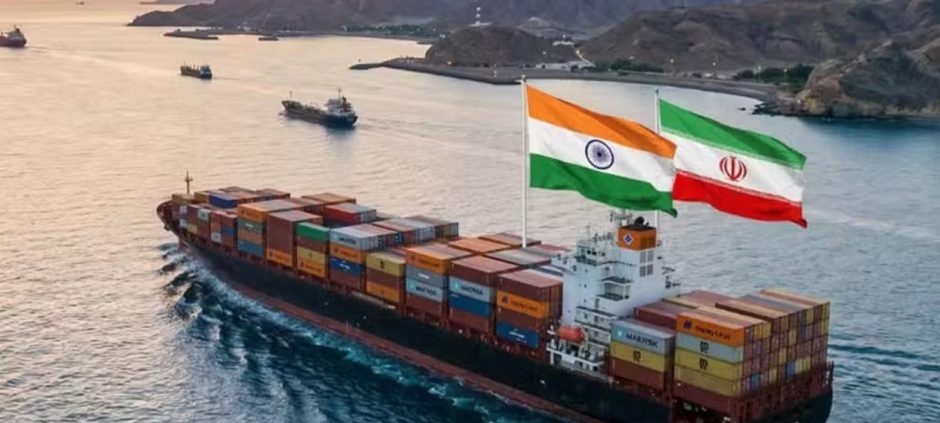
India-linked ships carrying LNG have been allowed to pass through the Strait of Hormuz near Iran. This development comes at a time of supply pressure and rising energy concerns.
Recent shipping data shows that some vessels connected to India are moving through the route. Two large carriers, Jag Vasant and Pine Gas, were tracked near Iran’s coast. They passed close to Qeshm Island and Larak Island. Both ships signaled Indian ownership and are heading back toward India.
The movement of these ships highlights the importance of LNG supply lines. The Strait of Hormuz is a key route for global energy trade. A large share of LNG shipments passes through this narrow waterway. Any disruption in this area can affect several countries.
India is currently facing pressure due to reduced LPG and LNG supplies. Around 60 percent of Indian homes depend on LPG for cooking. At the same time, a large portion of its imports moves through this route. This makes stable access to LNG very important for the country.
Iran’s decision to allow limited passage is seen as a selective move. While some Western-linked vessels face restrictions, India-linked ships appear to be getting access. This suggests that transit through the region is being managed carefully.
Data from Windward shows that exports from Gulf producers have dropped. In the past week, shipments fell to about 1.5 million barrels. This is one of the lowest levels recorded in a year. Most of these shipments were sent to Asian markets.
There is also a shift in shipping patterns. More carriers are now using routes closer to Iran. This change reflects the evolving situation in the region. It also shows how LNG trade is adapting to new challenges.
In other related news also read Pakistan-India Cyber Tensions Rise After TV Channel Hack
Overall, the controlled movement of LNG vessels highlights the strategic role of Iran. The Strait of Hormuz remains critical for global energy flow. Any change in access can quickly impact supply and prices.