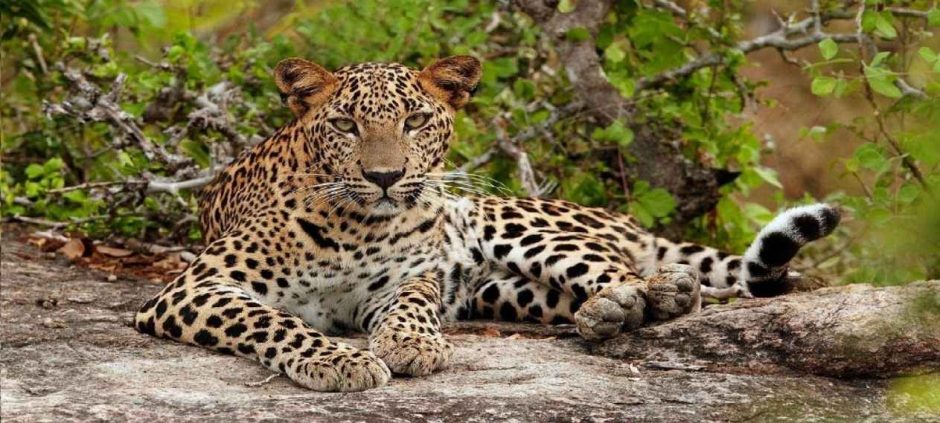
A leopard was sighted on the premises of the International Islamic University (IIU) in Islamabad on Friday, prompting immediate action from authorities. The Islamabad Wildlife Management Board (IWMB) confirmed the presence of the animal, leading the university administration to close all units for safety.
According to a university spokesperson, the leopard was first seen hiding in bushes on campus. Its appearance caused panic among students and staff. The administration quickly shut the university, alerted the IWMB and local police, and requested professional assistance.
“The safety of our students and staff is our top priority. As soon as the leopard was spotted, all university units were closed and relevant authorities were informed,” the spokesperson said.
A wildlife response team reached the campus and confirmed signs of the leopard’s presence. The team indicated that the animal may still be inside university grounds. Traps have been set, and patrolling has increased to ensure safety while the search continues.
The IWMB urged calm and asked the public to avoid spreading rumors. Officials advised cooperation with wildlife authorities to ensure a smooth and safe resolution. “At this stage, there is no need to panic. Our teams are vigilant and working closely with concerned departments,” the board said.
Preliminary investigations suggest that the leopard may have entered the campus through the Sector E-9 drain connected to F-9 Park. However, authorities continue to investigate the exact route and circumstances of its entry.
Students and staff have been advised to remain indoors until the animal is safely removed. Wildlife experts are coordinating with police and university authorities to monitor the situation closely. Authorities emphasized that both the safety of people and the leopard are priorities during the operation.
In other related news also read Leopard Spotted in International Islamic University Islamabad
The incident highlights the importance of vigilance in areas near urban parks and drains. Officials continue to monitor the situation and ensure the safe relocation of the leopard back to its natural habitat.