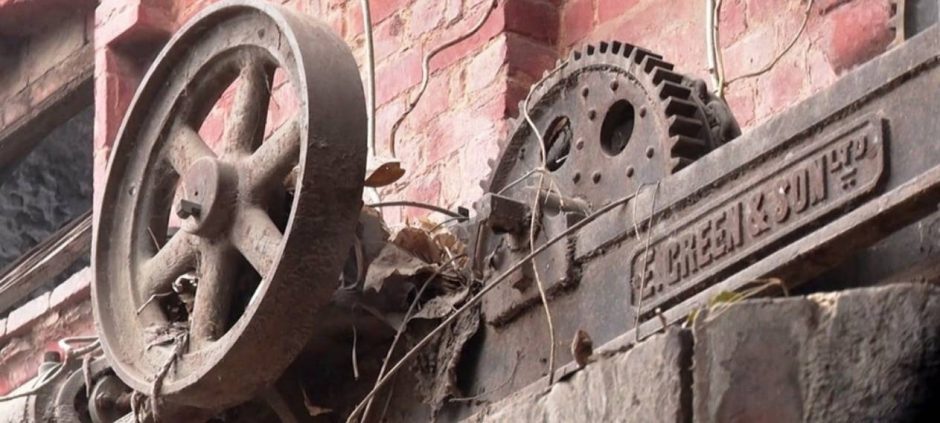
Lahore’s first water pumping house, which once supplied drinking water to the Walled City, is being transformed into a museum. The historic structure is located near the Lorry Adda and is considered an important national heritage site.
The pumping house, installed in 1883, features a massive steam engine that supplied water from the Ravi River to homes in Lahore. The engine’s large gears resemble those used in ships, reflecting the scale and engineering of the period. A tall chimney beside the building remains a prominent feature.
The station was established by philanthropist Bela Ram in collaboration with the then-governor of Lahore, Charles Aitchison, after concerns arose about contaminated drinking water. At the time, the Walled City had a population of around 32,000, and the station supplied nearly one million gallons of water daily.
The pumping station stopped operations after the 1971 Pakistan–India war disrupted coal supplies. Electric tube wells were later introduced as a modern water source. Although the machinery can no longer operate, it remains intact and will be preserved and showcased in the museum.
The Walled City of Lahore Authority has launched a conservation project to restore the site. The plan includes cleaning and preserving the steam engine and converting part of the building into a cafeteria, with revenue used for maintenance.
Officials said the museum will provide visitors with an educational experience, highlighting Lahore’s early water supply system and British-era engineering. The project aims to preserve heritage while allowing the public to explore a historic landmark.
In other related news also read New Rules Introduced for Lahore Police Officers
The conversion of the pumping house into a museum reflects ongoing efforts to protect national heritage sites in Lahore. It also celebrates the city’s history of innovation in public infrastructure. The museum will serve as a key cultural and educational attraction in the Walled City.