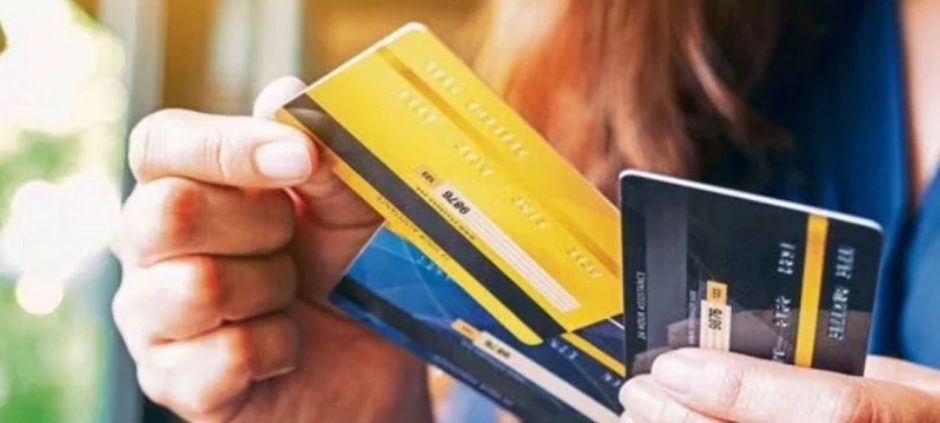
Kuwait has officially banned merchants from imposing additional charges on consumers for using debit and credit cards, a move aimed at protecting customers and promoting fair electronic payment practices. The Central Bank of Kuwait issued a directive that requires all local banks, electronic payment service providers, and e-money institutions to ensure that no extra fees or surcharges are passed on to end-users when they pay with cards.
Under the new rule, businesses in Kuwait can no longer charge customers any additional amount — including service fees, commission add-ons, or surcharges — for purchases made using electronic payment methods such as KNET debit cards or credit cards. This prohibition applies across all payment channels, including point-of-sale terminals, payment gateways, and digital wallets.
The policy stems from a circular issued by the Central Bank on September 30, 2025, which aimed to safeguard consumer rights amidst increasing public complaints about merchants adding extra charges to card transactions. Prior to the ban, some businesses reportedly added fees to electronic payments, causing friction among customers who felt they were unfairly penalised for choosing digital payment options.
Payment service providers have informed their partner companies about the updated regulations and emphasised that contractual agreements must be revised to reflect the new rules. If businesses fail to comply, authorities have warned they could face legal consequences, including potential suspension of services.
The ban is expected to boost confidence in Kuwait’s electronic payment ecosystem by ensuring that consumers won’t be discouraged from using cards due to hidden or unexpected costs. According to officials, the measure also aligns with broader efforts to modernise financial services and foster greater transparency in retail and online transactions.
Local banks and e-payment platforms have been updating their systems and merchant agreements to enforce the directive effectively. They have also been instructed to monitor compliance continuously and take corrective action against any party that violates the prohibition on extra charges
Also read: TikTok Streamer Charged with Homicide After Fatal Crash During Live Stream