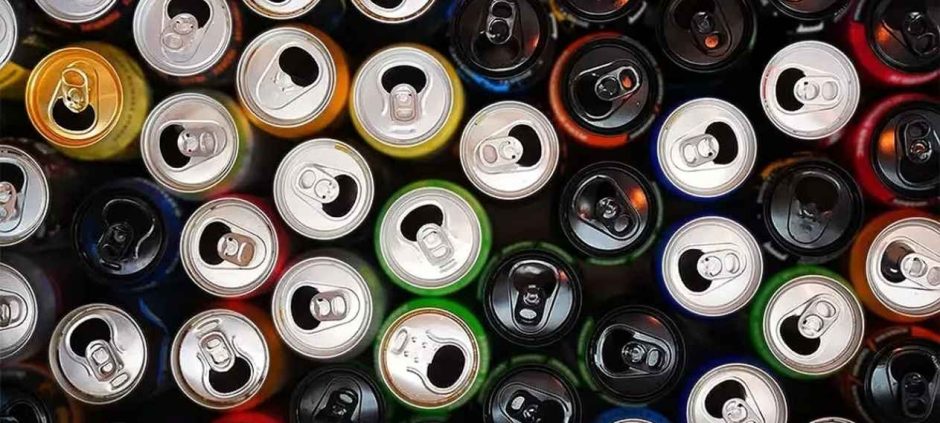
Kuwait has introduced strict new regulations banning the sale and circulation of energy drinks across a wide range of public places, marking one of the toughest crackdowns on such beverages in the Gulf region. The decision has been taken as part of a broader public health initiative aimed at reducing excessive caffeine consumption and protecting young people from potential health risks linked to energy drinks.
Under the new rules, energy drinks are no longer allowed to be sold or distributed in schools, universities, government offices, restaurants, cafés, food trucks, vending machines, and delivery platforms. Authorities said these locations were easily accessible to children and young adults, making regulation necessary to curb growing consumption trends. Health officials have repeatedly warned that excessive intake of energy drinks can lead to heart problems, sleep disorders, anxiety, and other health complications.
The ban does not completely outlaw energy drinks but places heavy restrictions on where and how they can be sold. Sales are now limited to designated areas within cooperative societies and large supermarkets. Retailers have been instructed to strictly enforce age limits, allowing purchases only by individuals aged 18 and above. In addition, buyers are restricted to purchasing a maximum of two cans per day to prevent overconsumption.
Kuwaiti authorities have also imposed limits on caffeine content. Each 250-millilitre can must not exceed 80 milligrams of caffeine, effectively removing ultra-high stimulant products from the market. Officials believe this measure will help reduce health risks, especially among younger consumers who may be more sensitive to caffeine.
Another key aspect of the decision is a nationwide ban on advertising and promotional campaigns for energy drinks. Sponsorships, marketing deals, and brand promotions linked to such beverages have been prohibited. Manufacturers and importers are also required to include clear health warnings on packaging, informing consumers about possible side effects associated with high caffeine intake.
The move has sparked mixed reactions among the public and business community. While health experts and parents have welcomed the decision, some retailers and distributors have expressed concern over potential financial losses. However, the government has defended the policy, stating that public health takes priority over commercial interests.
Officials say the restrictions reflect Kuwait’s commitment to preventive healthcare and align with global trends aimed at regulating stimulant-heavy products. Authorities have warned that violations of the new rules will result in fines and legal action, signalling firm enforcement of the ban.
Also read: Silver Tops $75 as Gold and Platinum Hit Record Highs