Chief Minister Mohammad Sohail Afridi on Friday introduced Khyber Pakhtunkhwa’s first Livestock Management Information System (LMIS), aiming to enhance transparency, digital governance, and service delivery within the livestock sector.
Addressing the launch ceremony, he described livestock as a cornerstone of the province’s rural economy, contributing nearly 25 percent to provincial GDP and sustaining millions of livelihoods. He stressed that data-driven governance is essential to modernize the sector, calling it one of the most significant yet historically overlooked areas of the economy.
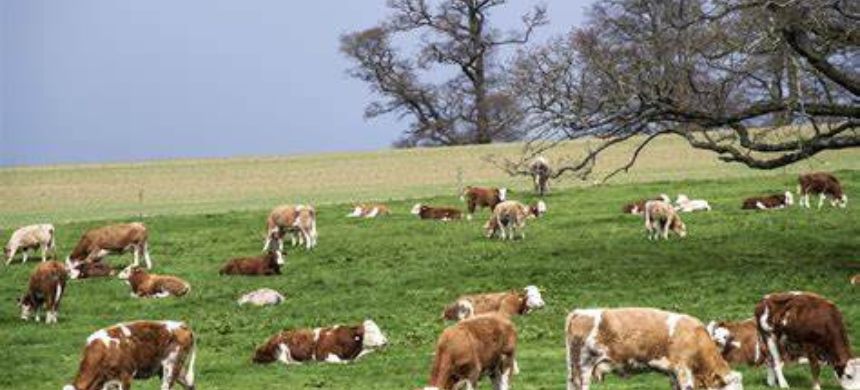
Highlighting the scale of the sector, he noted that the province is home to 13.51 million cattle, 3.94 million buffaloes, 22.49 million goats, and 7.64 million sheep. Improving productivity, strengthening animal health, and facilitating farmers through modern technological solutions remain key priorities of the government, he added.
The chief minister pointed out that livestock services have long operated through manual and fragmented systems, resulting in gaps in outreach, documentation, planning, and accountability. He emphasized that access to reliable, real-time data is critical for informed policymaking and efficient governance.
He explained that LMIS will create a centralized digital network connecting farmers, veterinary hospitals, mobile clinics, research institutions, and field formations under one integrated framework. The system will enable real-time reporting, monitoring, and transparent oversight, transforming it into a broader governance reform initiative rather than merely an IT upgrade.
Zariful Maani, who led the reform initiative, said digitalization was prioritized to improve transparency and institutional oversight. The project includes a comprehensive livestock census and geo-tagged registry with species, breed, age, and gender data. A geo-mapped farmer registry from village to district level will further support targeted planning.
Additionally, livestock services including vaccination, treatment, artificial insemination, slaughterhouse management, milk inspection, and advisory visits will be fully digitized. A disease surveillance and laboratory system will also allow real-time reporting to strengthen animal health monitoring and response.
Also Read: Audit Uncovers Fake Deliveries In Rs 20 Million Livestock Vaccine Scam