The KP government has approved a province-wide digital education reform plan to improve access to quality learning through technology. The initiative aims to modernize the education system and increase the literacy rate by up to 35 percent over the next two years.
The decision was announced by Chief Minister Muhammad Sohail Afridi during a high-level meeting held to review the proposed reforms. Officials presented the plan and explained how digital tools could improve education across the province.
According to the government, the project will require a one-time investment of Rs. 5 billion. Authorities believe this investment will deliver long-term benefits and help improve educational outcomes. Officials also estimate that the reforms could generate annual savings of more than Rs. 100 billion after implementation.
A major part of the plan will be introduced under the Parho Khyber Pakhtunkhwa initiative. Through this program, the provincial curriculum will be digitized, and all textbooks will be made available on mobile phones. This will allow students to study using digital devices without relying only on printed books.
The government also plans to make learning more accessible for students with limited internet access. Classes will be available offline, allowing students to continue their studies even when they do not have an active internet connection.
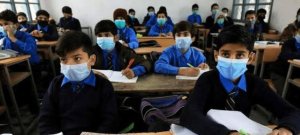
Officials informed the meeting that online teaching has already started in more than 50 schools. They added that another 500 schools are expected to join the virtual learning platform by the end of August. This expansion is intended to provide digital education to a much larger number of students across KP.
The reform plan also includes the introduction of virtual science laboratories and digital language laboratories. These facilities will help students gain practical learning experiences through technology while improving access to educational resources.
Another important feature of the initiative is the creation of a unified digital education platform. The system will combine teaching, assignments, examinations, attendance records, and academic monitoring in one place. This is expected to simplify educational management for schools, teachers, and students.
The platform will also use artificial intelligence alongside teacher-led instruction. Officials said this combination will help provide personalized learning experiences based on the individual needs of students. The goal is to improve learning outcomes while supporting teachers with modern educational tools.
The KP government believes the digital transformation will strengthen the education sector and improve access to quality learning throughout the province. By introducing mobile textbooks, offline classes, virtual laboratories, and AI-supported learning, the government hopes to create a more efficient and inclusive education system.
In other related news also read KP Increases Conveyance Allowance by 50% for Employees
Officials say the reforms represent a long-term investment in the future of education. If implemented successfully, the project could improve literacy, expand digital learning opportunities, and modernize classroom teaching across KP over the coming years.