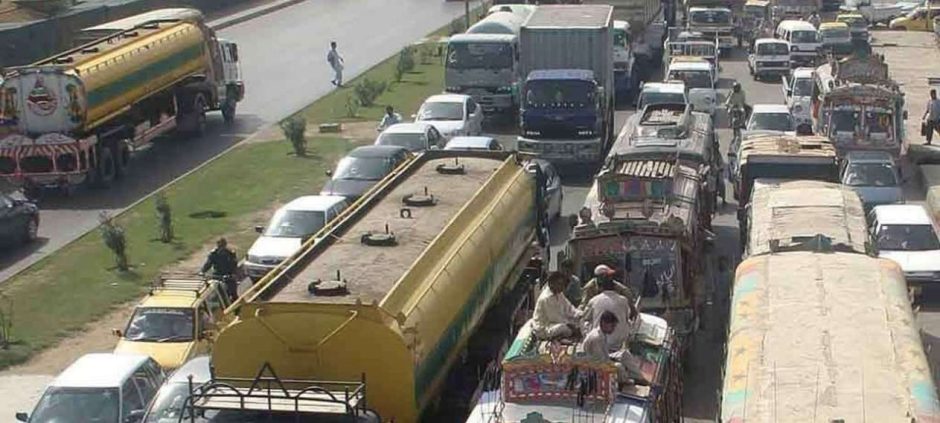
The Karachi administration has extended the daytime ban on heavy traffic for an additional two months in an effort to control congestion and improve road safety across the city. The decision was taken after consultations between traffic police, city authorities, and transport department officials, who reviewed traffic flow data and accident trends on major roads. The extension will remain in force during peak daytime hours, when traffic pressure is at its highest.
According to officials, heavy vehicles including trucks, trailers, dumpers, and water tankers will continue to be restricted from entering key city areas during the day. These vehicles are allowed to operate only during designated nighttime hours to minimize disruption to regular traffic. Authorities believe the measure has helped reduce traffic jams on main arteries and improved travel time for office-goers, students, and emergency services.
Traffic police sources said that Karachi’s growing population and rising number of vehicles have put immense pressure on the city’s road network. Heavy vehicles moving alongside smaller cars and motorcycles often lead to bottlenecks and increase the risk of fatal accidents. By keeping heavy traffic off the roads during the day, officials aim to lower accident rates and improve overall traffic discipline.
The extension also focuses on protecting Karachi’s road infrastructure, much of which is already under stress due to overloading and frequent movement of heavy vehicles. Officials noted that restricting daytime movement helps reduce wear and tear on roads, bridges, and underpasses, lowering maintenance costs for the city administration.
Strict enforcement has been ordered during the extended ban period. Traffic police have been instructed to impose fines on violators and, in serious cases, impound vehicles that fail to comply. Authorities said special checkpoints will be set up at city entry points to prevent unauthorized entry of heavy vehicles during restricted hours.
Transporters and logistics companies have been advised to adjust their schedules accordingly. While some transporters have expressed concerns about increased operational costs, officials argue that nighttime movement offers smoother travel and reduces fuel consumption due to lighter traffic. Emergency vehicles, essential supply transport, and vehicles with special permits will remain exempt from the ban.
City officials stated that public feedback will continue to be monitored during the two-month period. If the policy proves effective, authorities may consider further extensions or permanent regulations to better manage Karachi’s traffic challenges and ensure safer roads for all commuters.