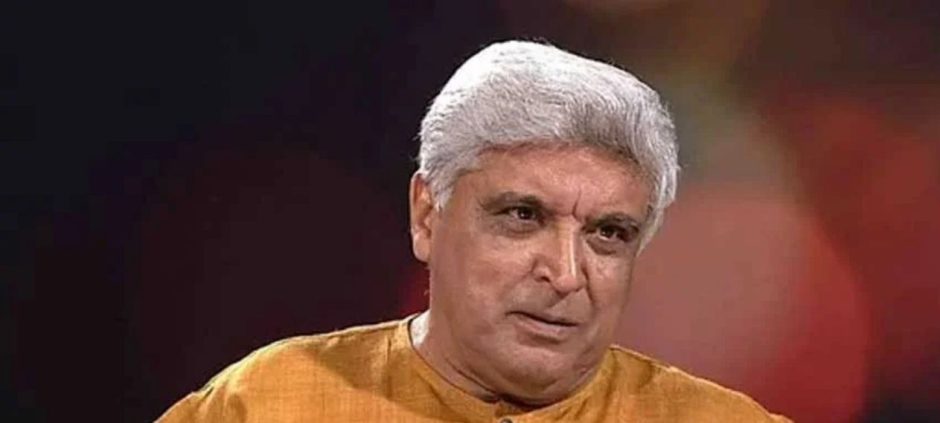
Indian screenwriter and lyricist Javed Akhtar has sparked renewed debate after his comments on the burqa went viral online. The remarks were originally made during the SOA Literary Festival 2025 in November.
During a question-and-answer session, a student asked Javed Akhtar about being raised by women who did not wear burqas. In response, he questioned why women should feel ashamed of showing their faces. He asked what social or cultural reasons justify covering the face.
Akhtar emphasized that standards of dressing should apply equally to men and women. He said that just as a man wearing a sleeveless shirt may be considered inappropriate in certain settings, women should also dress with dignity. He stressed that the discussion should focus on dignity rather than targeting women alone.
The writer described wearing a burqa as often influenced by “peer pressure” rather than a fully personal choice. He suggested that even when women claim to choose face covering, external social pressure can play a role. He asked, “Why should anyone hide their face? Is it shame? Is it vulgar? What’s the reason?”
The resurfacing of Javed Akhtar’s comments coincides with a recent controversy involving Bihar Chief Minister Nitish Kumar. During a government event in Patna, Kumar pulled down the hijab of a newly recruited woman doctor. The incident drew widespread condemnation on social media, with many calling the act inappropriate and intrusive.
Former actor Zaira Wasim also criticized Kumar, calling his actions “infuriating” and demanding a public apology. Her comments further intensified discussions on consent, personal choice, and women’s rights in India.
In other related news also read Burqa-clad gang arrested for harassing women in Lahore
Javed Akhtar’s statements, combined with the recent hijab incident, have reignited debates about personal freedoms, societal expectations, and gender equality. The controversy continues to generate strong reactions from supporters and critics across the country.