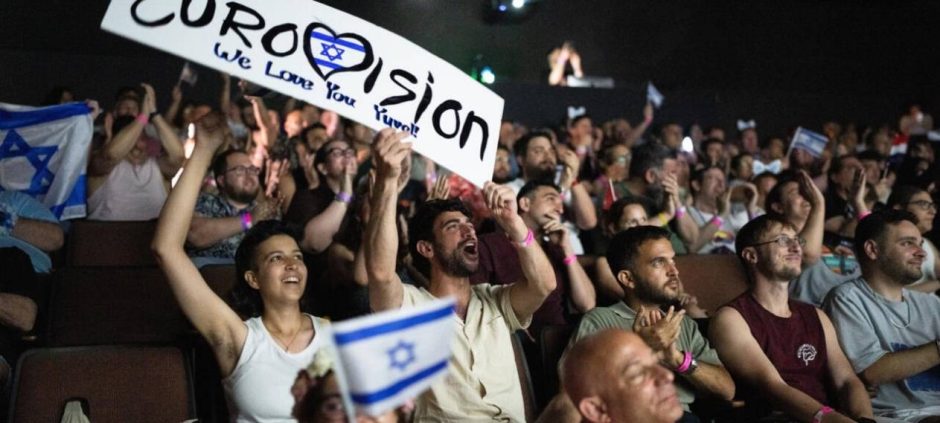
Eurovision 2026 faced major turmoil after organisers confirmed that Israel would remain in the competition despite weeks of mounting pressure.
The European Broadcasting Union (EBU) announced that Israel met all participation requirements, prompting an immediate wave of withdrawals from several countries.
Spain and Ireland were the first to formally pull out, citing political concerns and strong public backlash against Israel’s inclusion this year.
Their exit was soon followed by additional European broadcasters who argued that Eurovision should not ignore ongoing humanitarian and geopolitical tensions.
Eurovision officials defended the decision, stating that the contest is a cultural event and should remain separate from international political disputes.
They added that disqualifying a country based on political disagreements would set a dangerous precedent for the future of the competition.
Protesting countries, however, insisted that the decision undermines the contest’s values and ignores the sentiments of their artists and audiences.
Some broadcasters said they would instead host alternative music showcases to highlight artists affected by the controversy.
Fans across Europe responded with mixed reactions, with some praising the withdrawals as principled and others worried about fragmentation within Eurovision.
Social media discussions also grew intense, as supporters of Israel accused protest countries of politicising a musical event meant for unity and cultural exchange.
Experts warn the boycott could shape future rules around eligibility, forcing Eurovision to clarify its stance on political neutrality and ethical participation.
They believe the 2026 edition may become one of the most divisive in the contest’s history, with long-lasting effects on its credibility and cohesion.
Also read: Trump Secures Landmark Rwanda–Congo Peace Deal, Ending Three Decades of Hostility