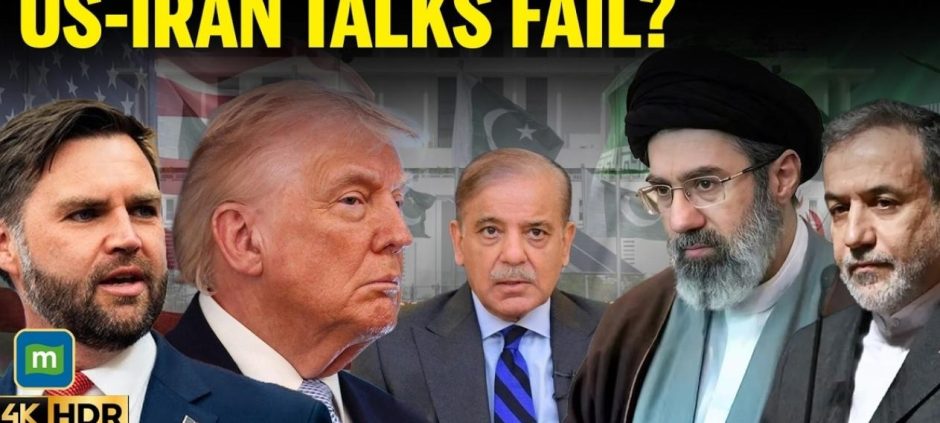
High-level talks between the United States and Iran have ended without agreement after more than 21 hours of negotiations in Islamabad. The discussions were aimed at maintaining a ceasefire and reducing tensions in the Middle East. However, both sides failed to reach a breakthrough.
US Vice President JD Vance confirmed that the American delegation has left Pakistan after the talks collapsed. He said the United States had clearly outlined its key conditions during the discussions. According to him, Iran did not accept these terms, leading to the failure of the negotiations.
A major issue in the talks was the US demand for strong guarantees on nuclear activities. Washington insisted that Iran must not pursue nuclear weapons capabilities. This condition remained a central point for the US side and was not open for compromise.
On the other hand, Iranian representatives expressed concerns about the US approach. Officials linked to Mohammad Bagher Ghalibaf suggested that Washington was not fully prepared to engage in flexible negotiations. They indicated that progress would require more balanced terms.
Following the talks, Iranian media reported that no further discussions are planned for now. Reports stated that Iran views the US demands as excessive. This position reflects growing differences between the two sides after the failed meeting.
The collapse of the talks has also impacted global markets. Oil prices are rising and are now close to $95 per barrel. Analysts say uncertainty in the region often affects energy markets. The lack of agreement has increased concerns about future stability.
Experts believe the outcome highlights deep mistrust between the United States and Iran. Key disagreements remain on nuclear policy, sanctions, and regional influence. These issues continue to block any meaningful progress in diplomacy.
Despite the setback, analysts say dialogue remains important. They warn that stopping talks completely could increase tensions. Continued communication may still help prevent escalation in the region.
The Islamabad meeting was seen as a key opportunity for peace. However, the absence of agreement shows how complex the situation is. For now, Iran has signaled that it will not return to negotiations in the immediate future.
In other news read more about: Trump Says US ‘Won’ War, Calls Iran Deal Not Essential Amid Ongoing Tensions
The development marks a critical moment in ongoing diplomatic efforts. It also raises questions about the next steps for both countries and the broader region.