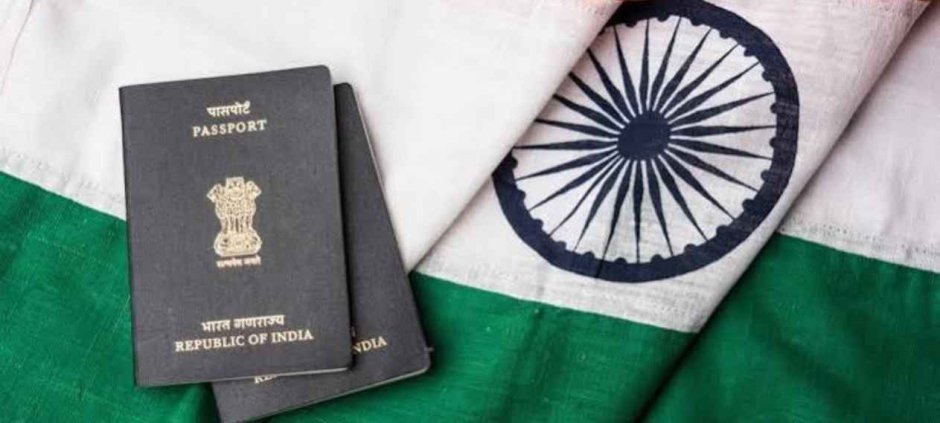
India has introduced changes to its immigration rules, offering passport and visa exemptions to certain foreign nationals. The revised regulations also include specific provisions for Pakistani citizens.
The Ministry of Home Affairs announced the changes through a new amendment order. The Immigration and Foreigners (Exemption) (Amendment) Order, 2026, was published in the official Gazette.
Under the updated rules, some Pakistani nationals may qualify for exemptions from passport renewal requirements. However, these provisions apply only to individuals meeting specific conditions.
Pakistani citizens who entered India on or before December 31, 2009, may qualify. They must have entered the country intending to settle there permanently.
The exemption mainly covers individuals unable to renew their Pakistani passports because they lack a Computerized National Identity Card (CNIC).
Conditions for Pakistani Citizens to Qualify
The revised immigration rules include several conditions for Pakistani nationals seeking exemptions. Applicants must have family members who are Indian citizens.
They must also meet restrictions concerning their connections with Pakistan. Eligible individuals must not have married or acquired property in Pakistan.
Additionally, applicants must have no adverse police or security reports. They must also provide an undertaking confirming they will not return to Pakistan.
These requirements mean the exemption does not apply automatically to every Pakistani citizen living in India. Applicants must meet all relevant eligibility conditions.
Religious Minorities From Pakistan May Also Receive Relief
The new order also covers religious minorities from Pakistan, Bangladesh, and Afghanistan. Eligible communities include Hindus, Sikhs, Buddhists, Jains, Parsis, and Christians.
Members of these communities may qualify if they entered India on or before December 31, 2024. They must have arrived because of religious persecution or fear of persecution.
The exemption may apply even when individuals entered without valid travel documents. It can also cover people whose passports have already expired.
However, eligible individuals must obtain the appropriate visas to continue living in India. The exemption does not remove every immigration requirement.
Other Foreign Nationals Also Covered Under New Rules
The revised order extends certain exemptions to additional groups. These include Sri Lankan Tamil refugees and Tibetan nationals.
People of Indian origin who acquired Malaysian or Singaporean citizenship are also covered by certain provisions.
The changes aim to provide specific immigration relief to eligible individuals. However, each group remains subject to the conditions outlined in the amended order.
India Simplifies Travel Between Three Neighboring Countries
The new rules also simplify travel requirements for citizens of India, Nepal, and Bhutan. Eligible travelers can use approved identification documents instead of passports.
This arrangement applies when traveling directly between the three countries. However, different requirements remain in place for certain international journeys.
Travel through third countries, including Pakistan and China, may still require passports and visas.
The exemptions do not automatically provide permanent residency or citizenship. Individuals must continue meeting the applicable immigration and legal requirements.
In other related news also read Pakistan Rejects India’s Kirana Hills Claim
The revised order establishes specific exemptions for selected foreign nationals. Its provisions will determine which individuals can benefit from the updated immigration arrangements.