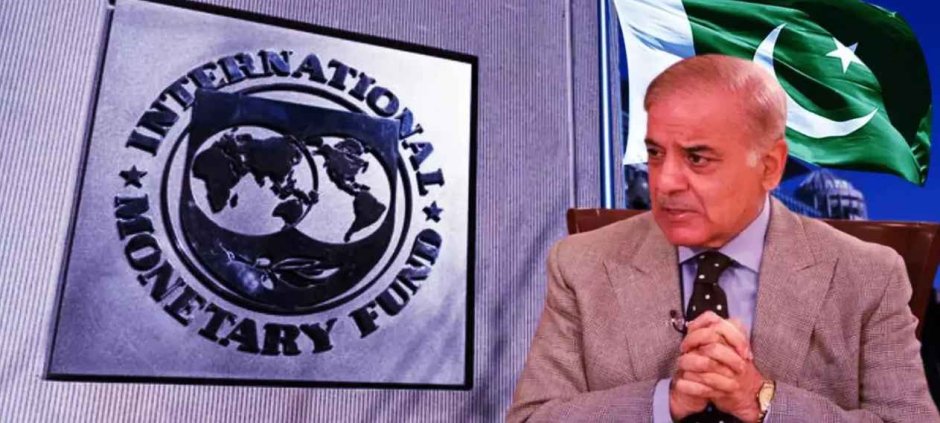
Former Economic Adviser to the Ministry of Finance Dr. Ashfaque Hassan Khan has criticized the economic impact of IMF policies.
He claimed that these policies cost Pakistan around $148 billion over five years.
Ashfaque made the remarks while speaking to a private news channel.
He compared the estimated economic cost with Pakistan’s losses during the US-led War on Terror.
According to Ashfaque, Pakistan’s economic cost during that period was around $130 billion.
He said the amount was incurred over approximately 13 years.
Ashfaque argued that the estimated cost linked to IMF policies was therefore higher.
He also highlighted the difference between IMF financing and the broader economic impact.
According to him, Pakistan received around $6 billion to $7 billion in IMF loans.
He said the associated economic costs were much larger than the financing received.
The former adviser also criticized the current monetary policy of the State Bank of Pakistan.
He said the central bank’s policy rate is currently around 11.5 percent.
Ashfaque argued that this interest rate is not suitable for current inflationary pressures.
He said the present inflation is mainly driven by supply-side factors.
According to him, higher food and fuel prices are major contributors to inflation.
He specifically mentioned rising wheat prices and other food costs.
Higher fuel prices have also added pressure on household expenses.
Ashfaque also pointed to an increase in the petroleum levy.
He said the levy had added Rs. 80 per litre to petroleum costs.
According to Ashfaque, these factors are increasing prices across the economy.
He argued that higher interest rates cannot directly resolve supply-side inflation.
Monetary tightening mainly works by reducing demand across the economy.
Higher borrowing costs can discourage spending and investment.
However, they cannot directly increase the supply of wheat or reduce global fuel prices.
The former adviser therefore questioned the effectiveness of further monetary tightening.
He said policymakers should identify the actual sources of inflation before choosing policy measures.
The IMF has remained an important part of Pakistan’s economic policy discussions.
Its programs have included financial support and various economic reform requirements.
Ashfaque’s comments reflect his criticism of the broader economic effects of such policies.
He also raised concerns about the impact of interest rates on economic activity.
High borrowing costs can increase financing expenses for businesses.
This can affect investment decisions and operating costs.
At the same time, inflation continues to remain a major concern for households.
Food and energy prices can directly affect consumers’ monthly expenses.
Ashfaque’s remarks have renewed debate about Pakistan’s approach to controlling inflation.
The discussion also highlights the difference between demand-driven and supply-driven inflation.
Demand-driven inflation can respond more directly to tighter monetary policy.
Supply-side inflation requires attention to production, supply chains and input costs.
The former adviser said Pakistan should consider these factors when addressing current price pressures.
The debate over IMF policies and monetary tightening is expected to continue.
Policymakers face the challenge of controlling inflation while supporting economic activity.
In other related news also read IMF Pushes Pakistan to Complete Delayed SOE Reforms
The government and central bank will need to balance these competing economic pressures.