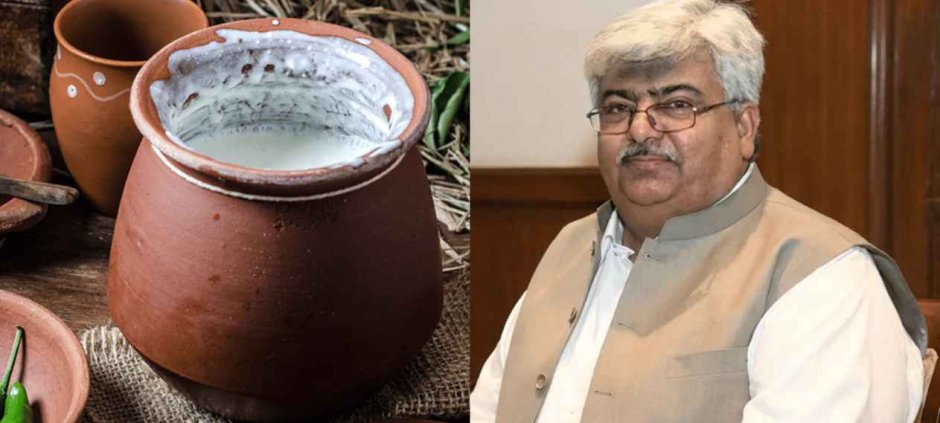
FBR Chairman Rashid Langrial has explained why a weaker Pakistani rupee may not solve the country’s trade deficit.
He used a simple yogurt and milk example to explain the issue.
Langrial said currency depreciation can support exports under the right economic conditions.
However, he stressed that Pakistan needs stronger production capacity first.
A weaker rupee can make Pakistani exports cheaper in international markets.
It can also make imported products more expensive for local buyers.
But these effects may not be enough to improve Pakistan’s trade balance.
The FBR chairman said the structure of the economy plays an important role.
He explained that successful exporters should rely heavily on domestic resources.
These resources include raw materials, energy and skilled workers.
Pakistan’s textile industry shows some of the challenges faced by exporters.
The sector depends on several imported materials and production inputs.
These include cotton, dyes, machinery components and fuel.
A weaker rupee can increase the cost of these imported inputs.
This can reduce the benefit exporters receive from a cheaper currency.
Pakistan also depends on imports for several essential products.
These include oil, gas, food items and medicines.
The country cannot easily reduce its dependence on these imports.
At the same time, a large share of Pakistan’s exports comes from textiles.
This creates additional pressure when the rupee loses value.
Langrial also highlighted the impact of domestic inflation.
A weaker currency can raise the local prices of imported products.
Higher food, fuel and electricity costs can increase overall production expenses.
These higher costs can eventually reduce the advantage given to exporters.
The FBR chairman also discussed the role of remittances in Pakistan’s economy.
Remittances provide an important source of foreign exchange for the country.
A weaker rupee increases the local value of foreign currency remittances.
However, Langrial said much of this money is spent on imported consumer goods.
This can increase demand for foreign products and add pressure to imports.
He referred to experiences from Britain, South Korea and Egypt.
He also discussed Pakistan when comparing different currency depreciation outcomes.
According to Langrial, depreciation produces different results in different economic structures.
He said Pakistan needs to build an economy focused more strongly on exports.
The country should increase domestic production of goods it sells internationally.
It should also reduce the imported content used in export production.
Langrial further called for fewer barriers protecting the domestic market.
He said remittances should also be directed toward productive investments.
The FBR chairman warned against judging currency depreciation too quickly.
The trade balance can initially worsen after a currency loses value.
Policymakers therefore need to consider the longer-term economic effects.
Langrial compared the trade balance to yogurt in his example.
He described the wider economy as the milk pot needed for the process.
Simply adding yogurt to a large amount of water will not create the desired result.
Similarly, weakening the rupee alone cannot resolve Pakistan’s trade deficit.
The country needs stronger domestic production and greater export capacity.
In other related news also read Zardari Rejects FBR Bid to Withhold Tax Records
These structural improvements could help Pakistan gain lasting benefits from currency policy.