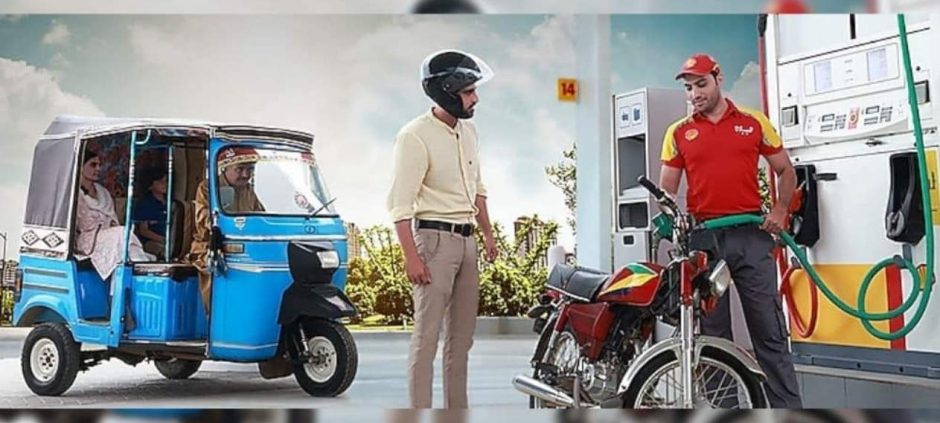
The federal government of Pakistan is actively considering a targeted fuel subsidy scheme for motorcyclists and rickshaw drivers to reduce the burden of rising petroleum prices. The proposal was discussed during a meeting of the Senate Standing Committee on Petroleum, where officials highlighted the growing pressure on low-income commuters who rely heavily on two- and three-wheelers for daily transport and livelihood.
Petroleum Secretary Hamed Yaqoob Sheikh informed the committee that the government is working on a relief package specifically designed for small vehicle users. He noted that the idea draws inspiration from a similar initiative already introduced by the Khyber Pakhtunkhwa government. The aim is to provide direct financial relief to vulnerable segments of society that are most affected by fuel price volatility.
The move comes in response to a sharp increase in petroleum prices driven by ongoing regional tensions and disruptions in global energy supply chains. Lawmakers expressed concern over the economic impact of these price hikes, especially on daily wage earners and transport workers. In response, officials clarified that recent price adjustments were partly aimed at discouraging fuel hoarding and stabilizing supply in the domestic market.
During the briefing, officials assured the committee that Pakistan currently holds sufficient fuel reserves to meet short-term demand. Petrol stocks are available for approximately 27 days, while diesel reserves can last around 21 days. Jet fuel stocks are sufficient for about 14 days, crude oil reserves for 11 days, and liquefied natural gas (LNG) for nearly nine days. These figures indicate that, despite external pressures, the country’s immediate energy needs are being managed effectively.
To maintain supply continuity, the government has also permitted the import of petroleum products below the Euro 5 standard. This temporary measure is intended to ensure that fuel shortages do not disrupt economic activity or transportation services, particularly in high-demand areas. Authorities emphasized that maintaining availability remains a top priority amid uncertain global conditions.
In a separate development, a high-level petrol monitoring meeting chaired by Muhammad Aurangzeb reviewed the national fuel situation. Officials confirmed that fuel requirements for March have been fully secured, with supply coverage extending into mid-April under existing import arrangements. Efforts are underway to further extend this coverage toward the end of April while closely monitoring stock levels to prevent artificial shortages or hoarding.
However, concerns remain over the energy outlook, particularly due to disruptions in LNG supplies from Qatar since March 2. Officials warned that future LNG cargo deliveries remain uncertain, and domestic gas supply to the power sector has already been reduced. This situation may force Pakistan to rely on expensive spot LNG purchases, potentially increasing the financial burden on the economy and consumers alike.
Also read: KP Sets New Fuel Usage Rules for Offices