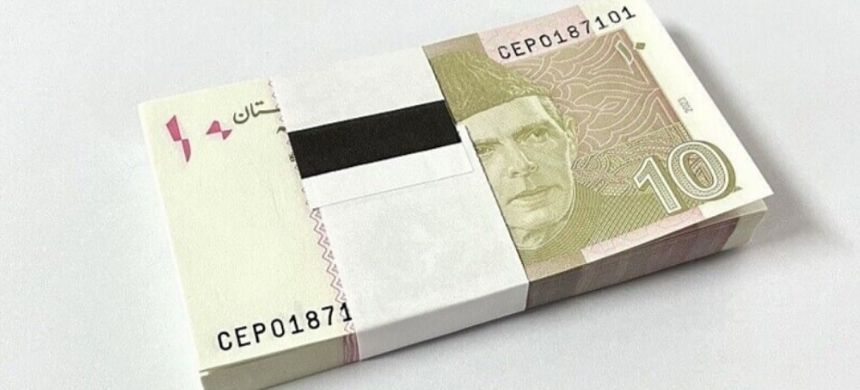
The federal cabinet is reviewing a proposal to gradually discontinue the Rs 10 Note and replace it with a coin, aiming to save billions of rupees over the coming decade.
The move follows a detailed currency management report prepared by the State Bank of Pakistan (SBP) and the Pakistan Security Printing Corporation (PSPC). The findings were presented to the cabinet by a high-level committee headed by the Finance Minister.
According to the report, the Rs 10 Note remains in circulation for only six to nine months on average, whereas a Rs 10 coin can last between 20 and 30 years. Currently, nearly 35 percent of all currency notes printed each year are Rs 10 notes, costing the government an estimated Rs 8 to 10 billion annually in printing, replacement, and administrative expenses. By shifting to coins, authorities estimate potential savings of Rs 40 to 50 billion over the next 10 years.
Although minting coins involves a higher upfront cost, their long lifespan makes them significantly more economical over time. The central bank is expected to phase out printing of the Rs 10 Note within the next three years, following legal procedures under the State Bank Act.
It is worth noting that Rs 10 coins were first introduced nationwide on October 24, 2016. Many countries, including the UK, Canada, and Australia, have already replaced low-denomination notes with coins. Officials also highlighted that reducing paper currency printing aligns with green banking and environmental sustainability goals.
Also Read: Is the 5000 Rupee Note Banned in Pakistan? Unraveling the Truth