The government has unveiled a plan to shift Pakistan’s oil supply system from road transport to pipelines. The move aims to reduce transportation costs and provide relief to consumers.
Currently, diesel supply in the country is fully dependent on road transport. Petrol supply, on the other hand, relies around 60 percent on tankers, according to the Petroleum Division.
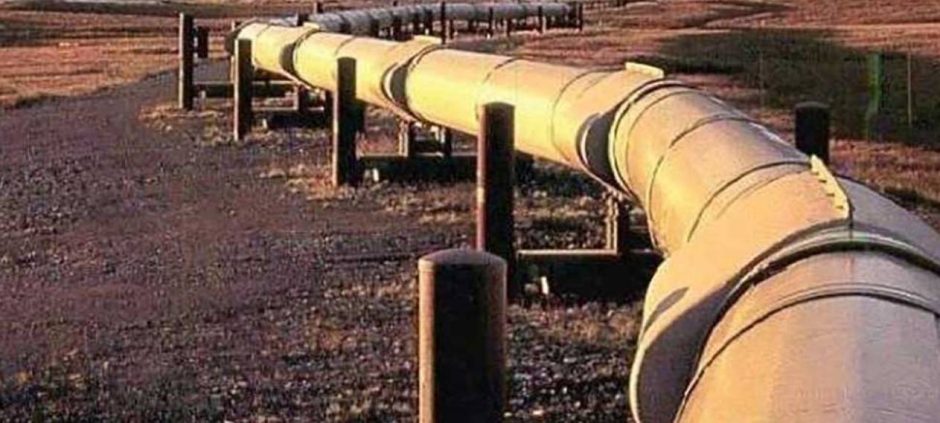
Under the new plan, oil will be transported through pipelines in phases. In the first phase, a pipeline will be constructed from Faisalabad to Tahlian. Officials say this will increase efficiency and reduce reliance on road transport.
To curb illegal oil supply chains, the government is implementing a tracking system to monitor fuel movement more effectively. This step is expected to improve transparency and prevent losses in the sector.
Federal Minister for Petroleum Ali Pervaiz Malik briefed journalists on the petroleum sector. He said that reforms in the sector have already led to stable gas prices. The minister also noted that circular debt in the gas sector has been reduced to zero. However, he emphasized that fuel already consumed must still be paid for by consumers or the state.
The government has formed a high-powered committee to resolve payment-related issues of three government-owned petroleum companies. Steps are also being taken to attract new investment in the sector. Special attention is being given to challenges faced by oil marketing companies (OMCs), including payment disputes with the Federal Board of Revenue (FBR). Officials expect progress on these matters in the next 1–10 days.
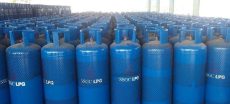
Regarding the LPG sector, Ali Pervaiz Malik said a new policy will be introduced. While the sector is deregulated, prices are still regulated, and the government plans to adjust this framework.
The minister also referred to the Reko Diq mining project, stressing the importance of long-term policies for sustainable development in Pakistan’s mining sector.
In other related news also read Federal Government to Reduce Electricity Tariffs
The move to pipelines and improved monitoring reflects the government’s commitment to modernizing the petroleum sector while reducing costs and ensuring transparency.