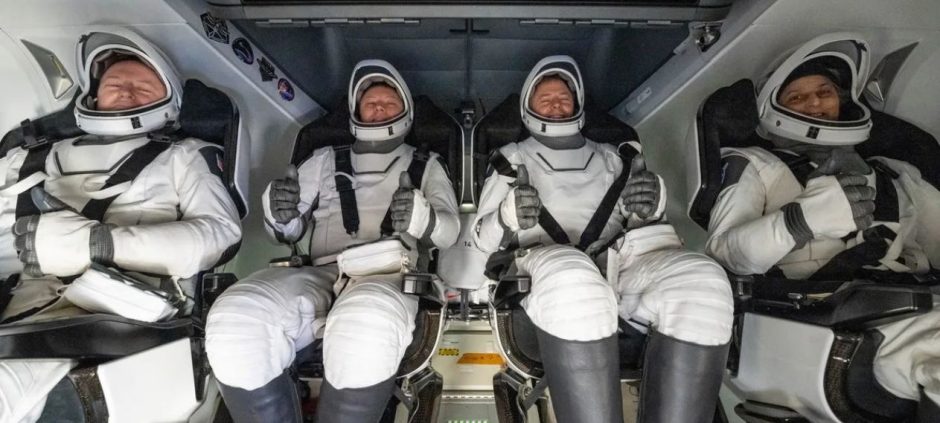
NASA astronauts have spoken publicly for the first time since returning to Earth after a historic medical evacuation from the International Space Station. The evacuation, a first in NASA’s history, took place on January 15, 2025.
The Crew-11 mission faced a medical emergency on January 7. NASA astronaut Mike Fincke, the pilot of the mission, confirmed the situation during a press briefing. He did not disclose the details of the patient’s condition, respecting privacy.
Fincke highlighted the role of a portable ultrasound machine. He said it helped the crew assess the situation in ways previously not possible. The ultrasound use indicates that the emergency could have been related to either cardiac or eye-related health issues. The exact details remain confidential.
“This was the first for NASA,” Fincke said. “Having an ultrasound onboard made a significant difference during the emergency.” He recommended that all future missions should include portable ultrasound machines to improve medical preparedness.
Commander Zena Cardman also spoke at the briefing. She said, “We will not be identifying the crew member or providing details of the medical issue. We appreciate your respect for privacy.”
The emergency led NASA to activate medical evacuation protocols for the first time ever. Crew-11’s return was originally scheduled for February, but the situation accelerated their splashdown.
The astronauts returning to Earth included Mike Fincke, Zena Cardman, Japanese astronaut Kimiya Yui, and Russian cosmonaut Oleg Platonov. They splashed down safely on January 15, 2025, marking a milestone in spaceflight safety.
NASA officials emphasized that this event demonstrates the importance of medical readiness in space. Crew members must be prepared to handle emergencies without immediate access to Earth-based hospitals.
The evacuation has prompted discussions on improving medical support for astronauts. Experts say equipment such as portable ultrasounds and real-time communication with Earth doctors can save lives during long-duration missions. Read our full news on NASA’s plans to use nuclear power on the Moon by 2030 and how it could support future missions.
Astronauts face unique challenges in space. Limited gravity and confined space make medical emergencies more complex than on Earth. The Crew-11 mission shows how advanced preparation and training are critical for crew safety.
While the incident was serious, all crew members are now safe. NASA plans to study the evacuation carefully to improve future protocols. This historic event sets a precedent for future medical support on the ISS and beyond.