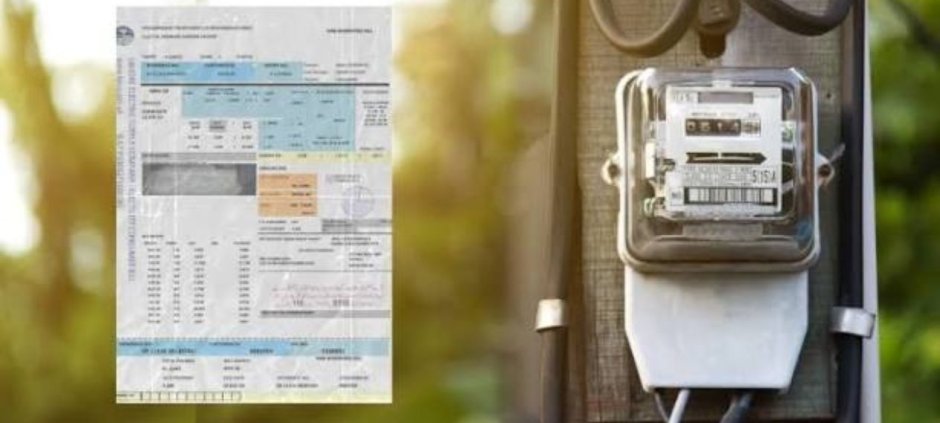
Electricity consumers across Pakistan may face another increase in their power bills as distribution companies have requested an additional Rs. 23.326 billion in revenue through higher electricity tariffs.
The proposed adjustment could increase electricity prices by Rs. 1.34 per unit between December 2026 and February 2027. The request covers electricity consumption during July to September 2026 and could also affect K-Electric customers under the federal government’s uniform electricity tariff policy.
The National Electric Power Regulatory Authority (NEPRA) will examine the request during a public hearing scheduled for November 17, 2026. The regulator will review the calculations and decide how much of the requested amount can be recovered from consumers.
Why Are Electricity Prices Expected to Increase?
The distribution companies have requested the additional revenue to cover several power-related costs. Capacity charges account for the largest portion of the proposed adjustment.
According to the applications submitted by 11 former WAPDA distribution companies, capacity charges amount to Rs. 38.917 billion. This figure also includes the impact of net metering and net billing units.
The companies have also requested Rs. 5.597 billion for variable operation and maintenance costs. Another Rs. 7.790 billion has been requested to cover the impact of transmission and distribution losses on monthly fuel cost adjustments.
In addition, Rs. 272 million has been included for use of system charges and the Central Power Purchasing Agency Guaranteed (CPPA-G) agency fee.
However, the companies have also calculated a negative adjustment of Rs. 29.252 billion due to incremental electricity consumption. After accounting for this reduction, the combined net adjustment request stands at Rs. 23.326 billion.
IESCO and FESCO Seek Highest Adjustments
Among the distribution companies, Islamabad Electric Supply Company (IESCO) has requested the largest positive adjustment of Rs. 10.535 billion.
Faisalabad Electric Supply Company (FESCO) has requested Rs. 10.462 billion, while Peshawar Electric Supply Company (PESCO) has sought Rs. 6.978 billion.
Other companies have also submitted their adjustment requests. Multan Electric Power Company (MEPCO) has requested Rs. 3.366 billion, followed by Lahore Electric Supply Company (LESCO) with Rs. 2.995 billion.
Gujranwala Electric Power Company (GEPCO) has requested Rs. 1.637 billion, while Hazara Electric Supply Company (HAZECO) has sought Rs. 521 million.
On the other hand, several distribution companies have reported negative adjustments. These include TESCO at Rs. 5.875 billion, QESCO at Rs. 4.088 billion, HESCO at Rs. 2.154 billion and SEPCO at Rs. 1.051 billion.
Will K-Electric Consumers Also Pay More?
The proposed quarterly adjustment may also apply to K-Electric consumers under the federal government’s uniform electricity tariff policy.
This policy aims to maintain similar electricity tariff adjustments for consumers across different distribution networks. However, the final decision will depend on NEPRA’s review and the government’s applicable guidelines.
NEPRA has also pointed out that the September 2026 fuel charges adjustment had not been officially notified when the distribution companies submitted their applications. Therefore, the companies used the adjustment requested by CPPA-G to calculate the impact of transmission and distribution losses.
NEPRA Hearing Scheduled for November 17
NEPRA will examine the requested charges and supporting calculations during its public hearing on November 17.
The regulator will determine whether the full requested amount is justified or whether any changes are required before approval.
For now, the proposed Rs. 1.34 per unit increase is not final. Consumers will have to wait for NEPRA’s decision to know whether electricity bills will become more expensive from December 2026.
Also read: Nepra Approves Electricity Price Hike across Pakistan