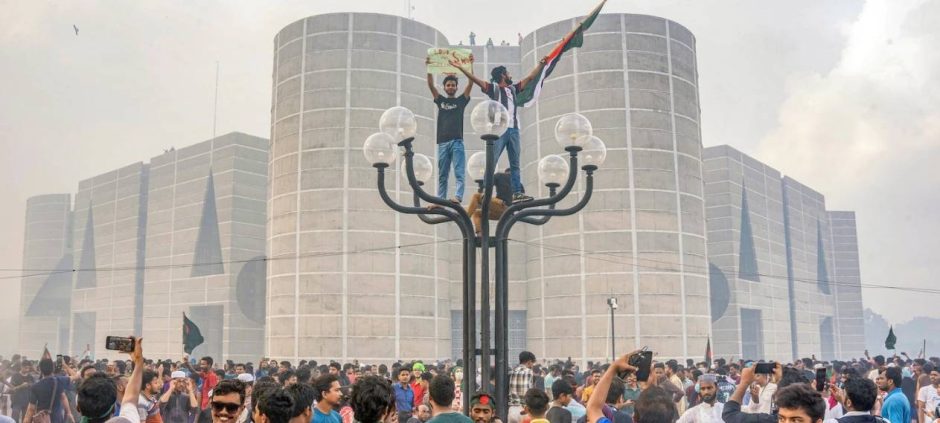
Polling began across Bangladesh on February 12 for the country’s first general election since the 2024 public uprising that reshaped its political landscape. Authorities say more than 127 million voters are eligible to cast ballots, with voting continuing throughout Thursday and official results expected on Friday.
The Election Commission has deployed tight security nationwide, stationing personnel at thousands of polling locations to ensure peaceful voting. Nearly five million first-time voters are participating, making youth turnout a significant factor that could influence the final outcome.
The elections come after former prime minister Sheikh Hasina resigned and went into exile in India following weeks of mass protests in 2024. Her political party has been barred from contesting this vote, dramatically altering the electoral field and opening space for rival groups.
Bangladesh Nationalist Party leader Tarique Rahman is widely seen as a leading contender for prime minister. The son of former premier Khaleda Zia returned to Bangladesh last December after 17 years abroad and has pledged to strengthen democratic institutions, uphold the rule of law, and revive the economy.
An 11-party alliance led by Jamaat-e-Islami is also competing. The group faced restrictions during Hasina’s tenure but has gained traction amid shifting political dynamics, though analysts note concerns among some minority and women’s groups about its possible electoral gains.
The polls are being conducted under an interim administration led by Nobel laureate Dr. Muhammad Yunus, which has promised transparent and fair elections. Around 500 international observers are monitoring proceedings, while a nationwide referendum on political reforms, including term limits for the prime minister, is being held simultaneously.
Also read: Pakistan and Bangladesh Deepen Ties—Bangladesh Air Chief Visits